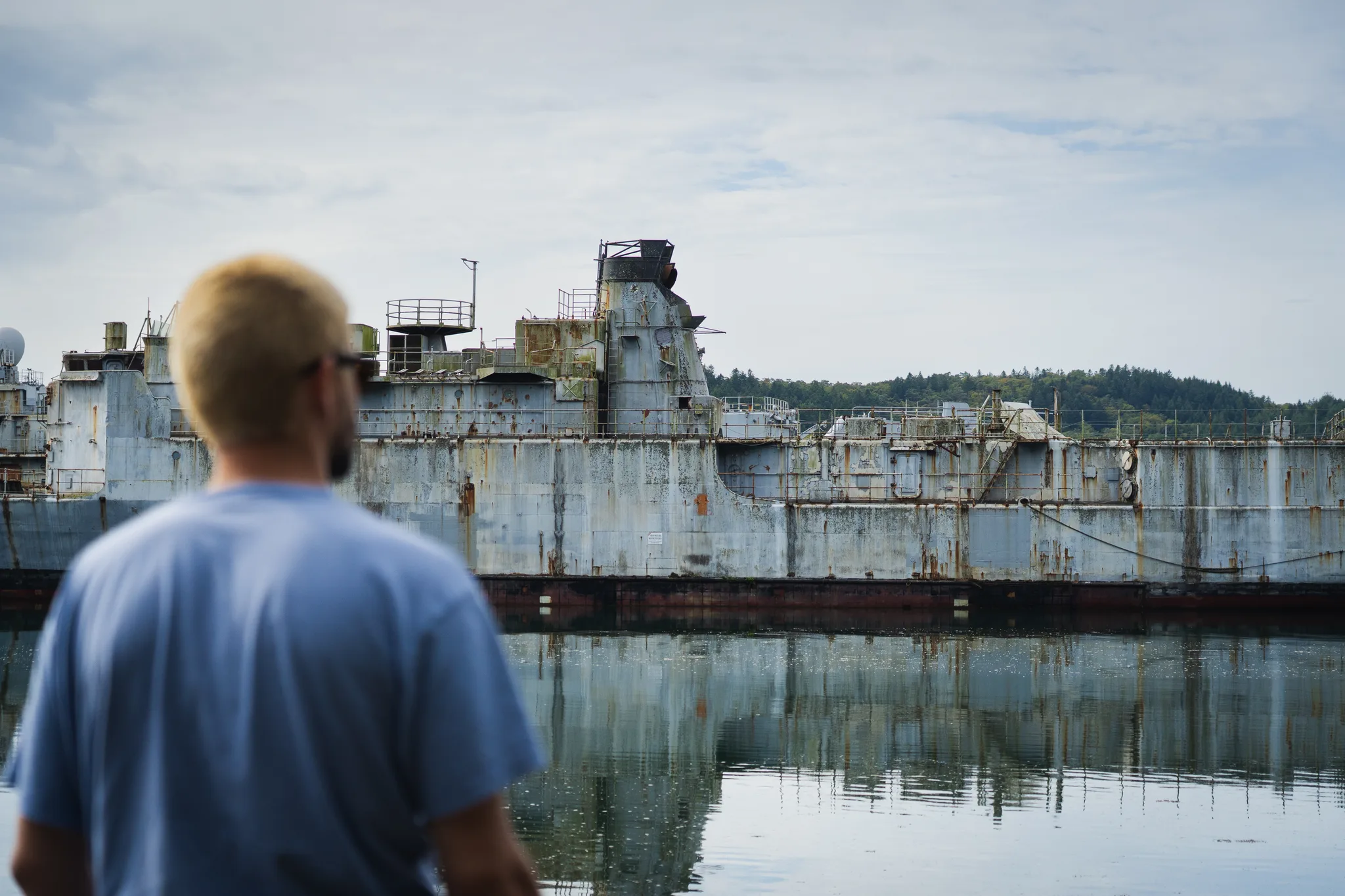
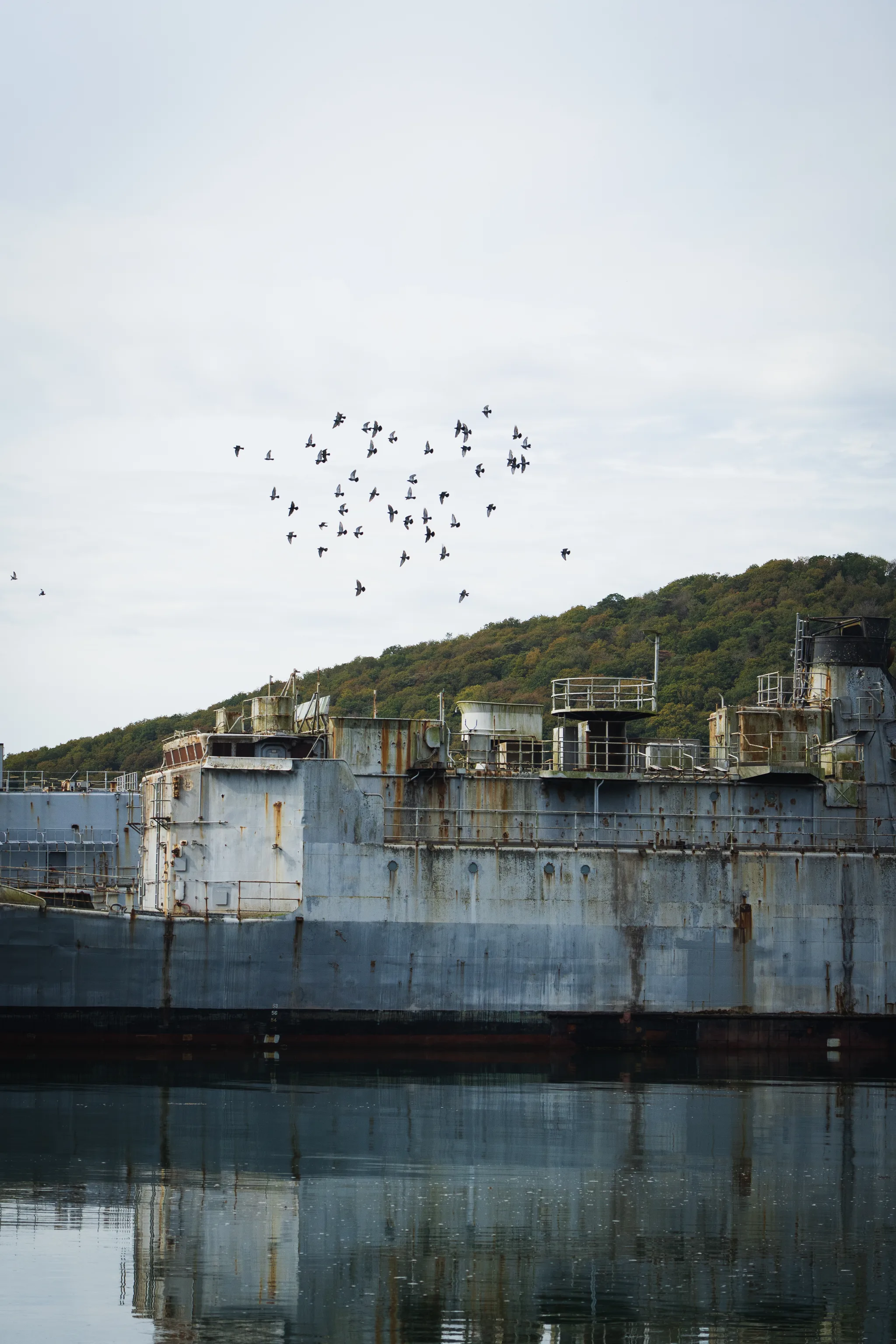
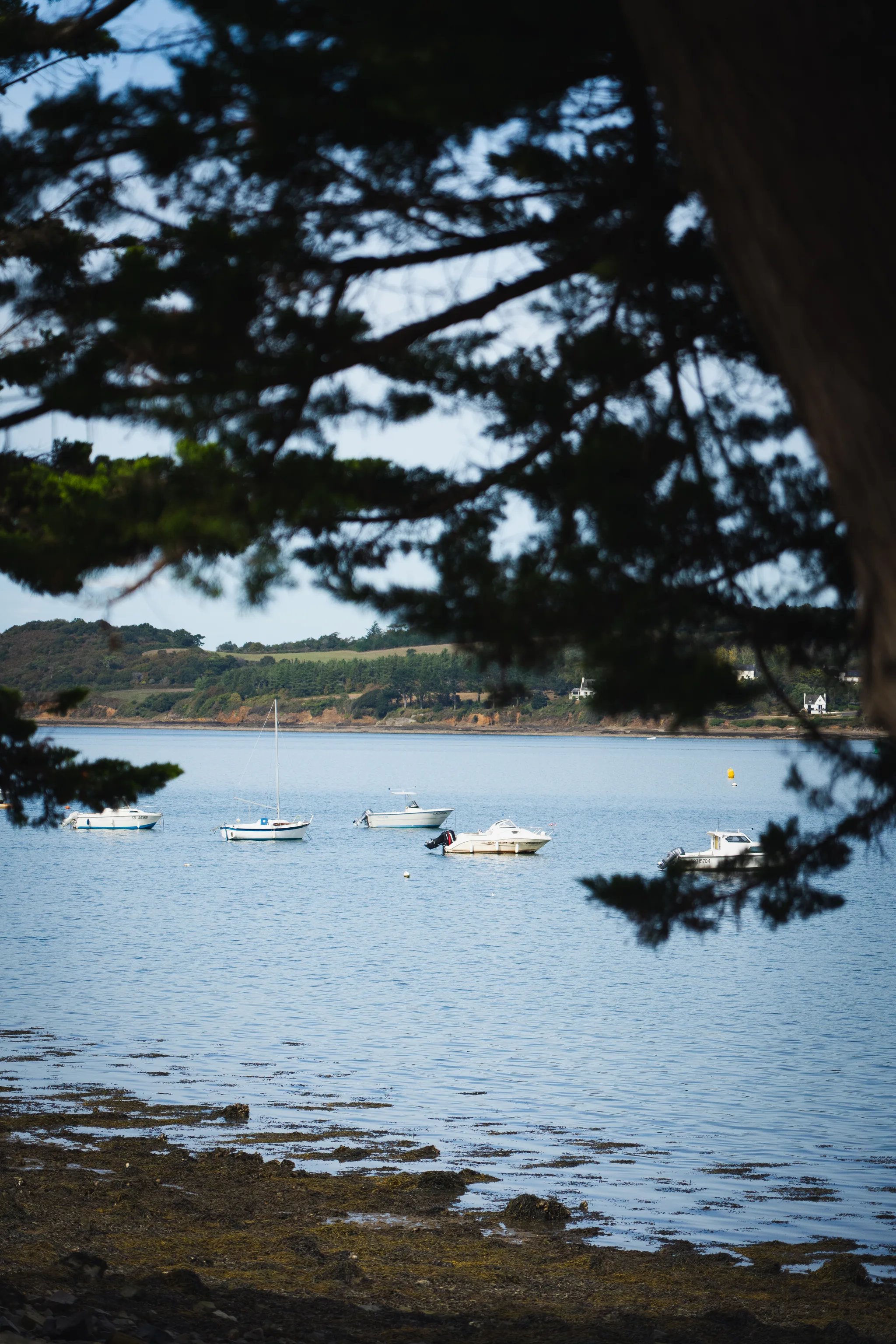
At Landévennec, the French Navy parks its retired ships in the river until the scrapyard calls. Grey hulls, rust, and a perfect reflection. They are being towed away one by one, so don't wait too long if you want to see them (a few years ago I was there the last time it was still like 12, now its only 2 left).
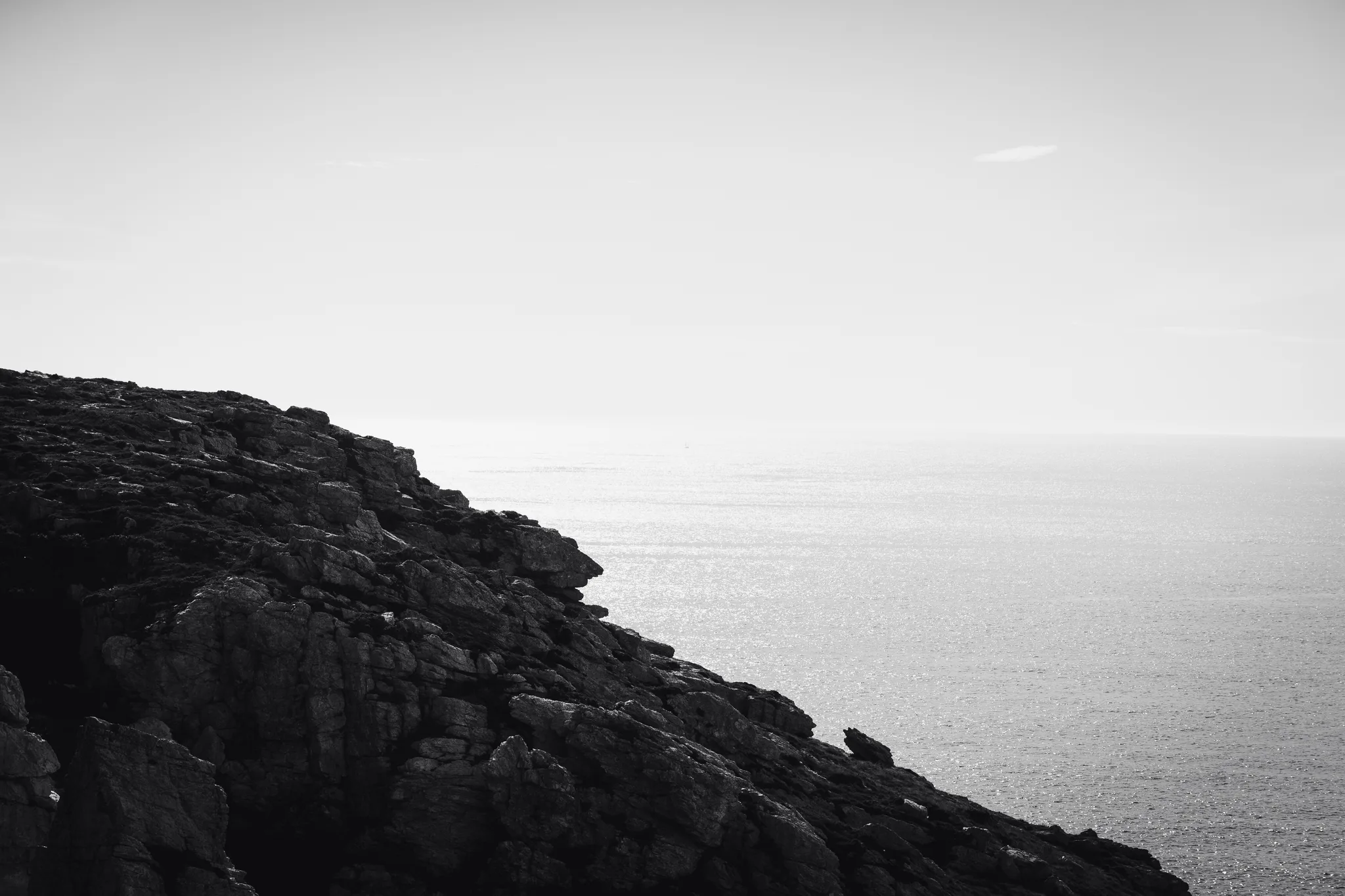
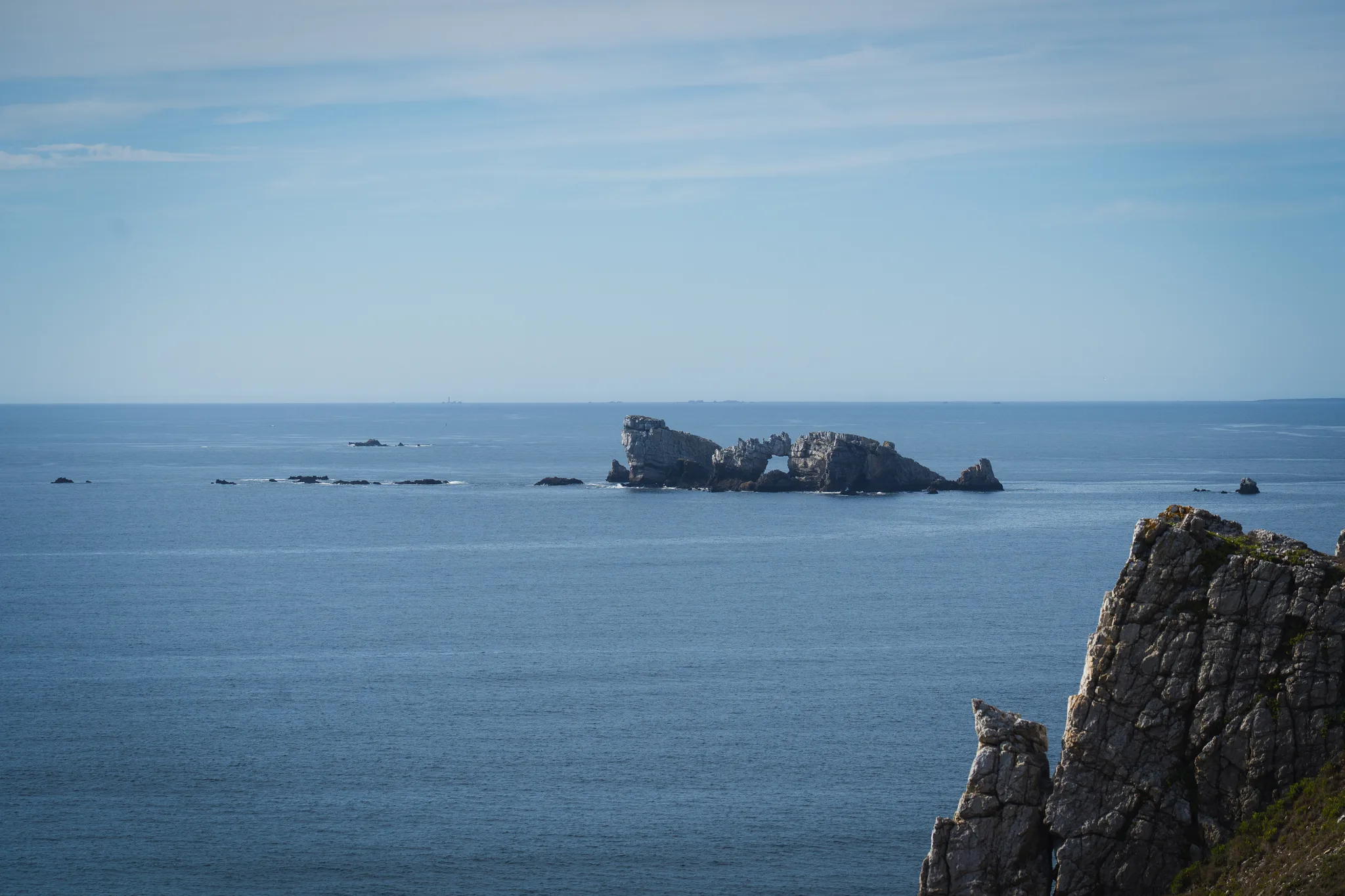
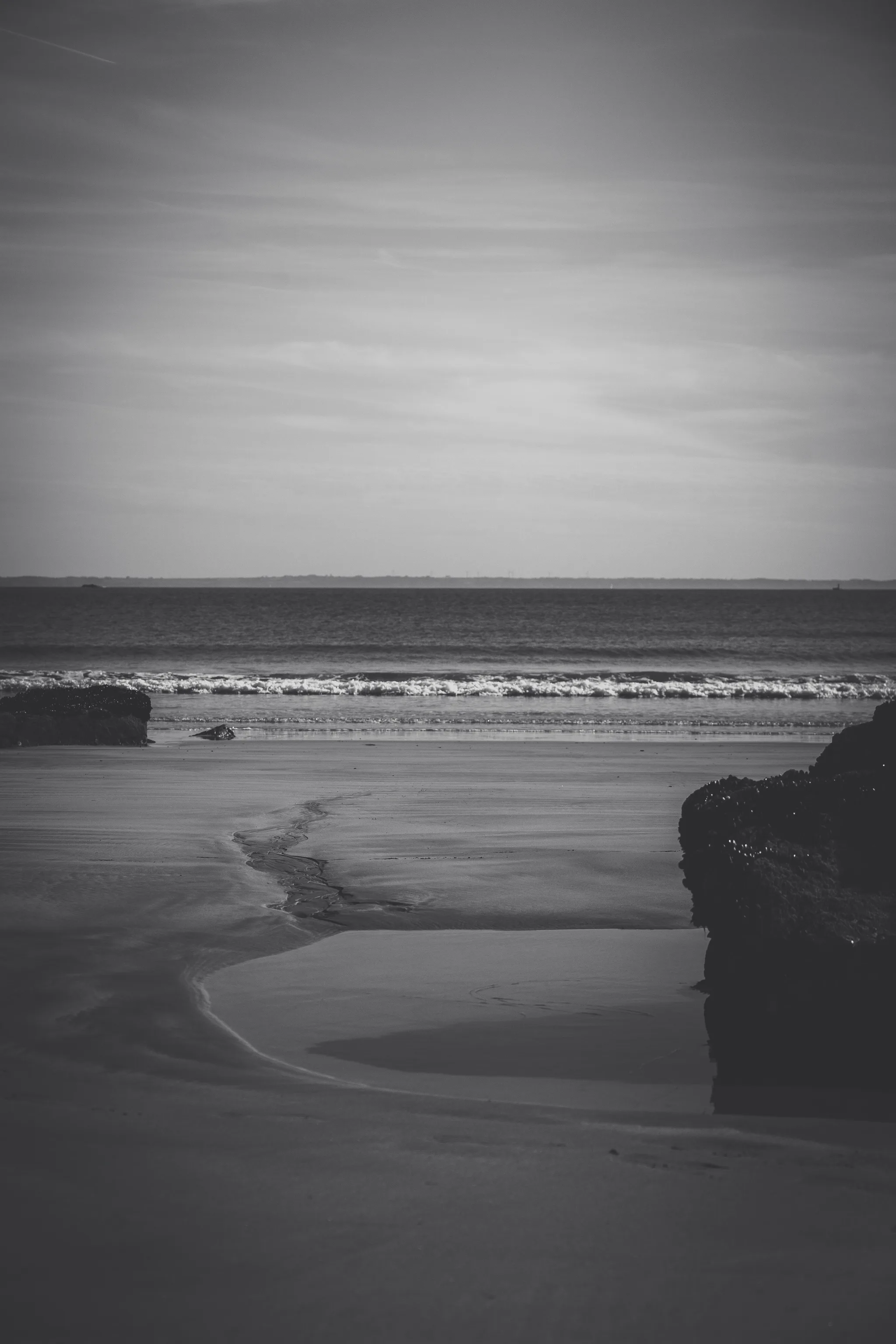
Out on the Crozon peninsula, the Château de Dinan is not a castle at all, but a rock (we had been scammed), tied to the cliffs by a natural arch more than twelve metres high.
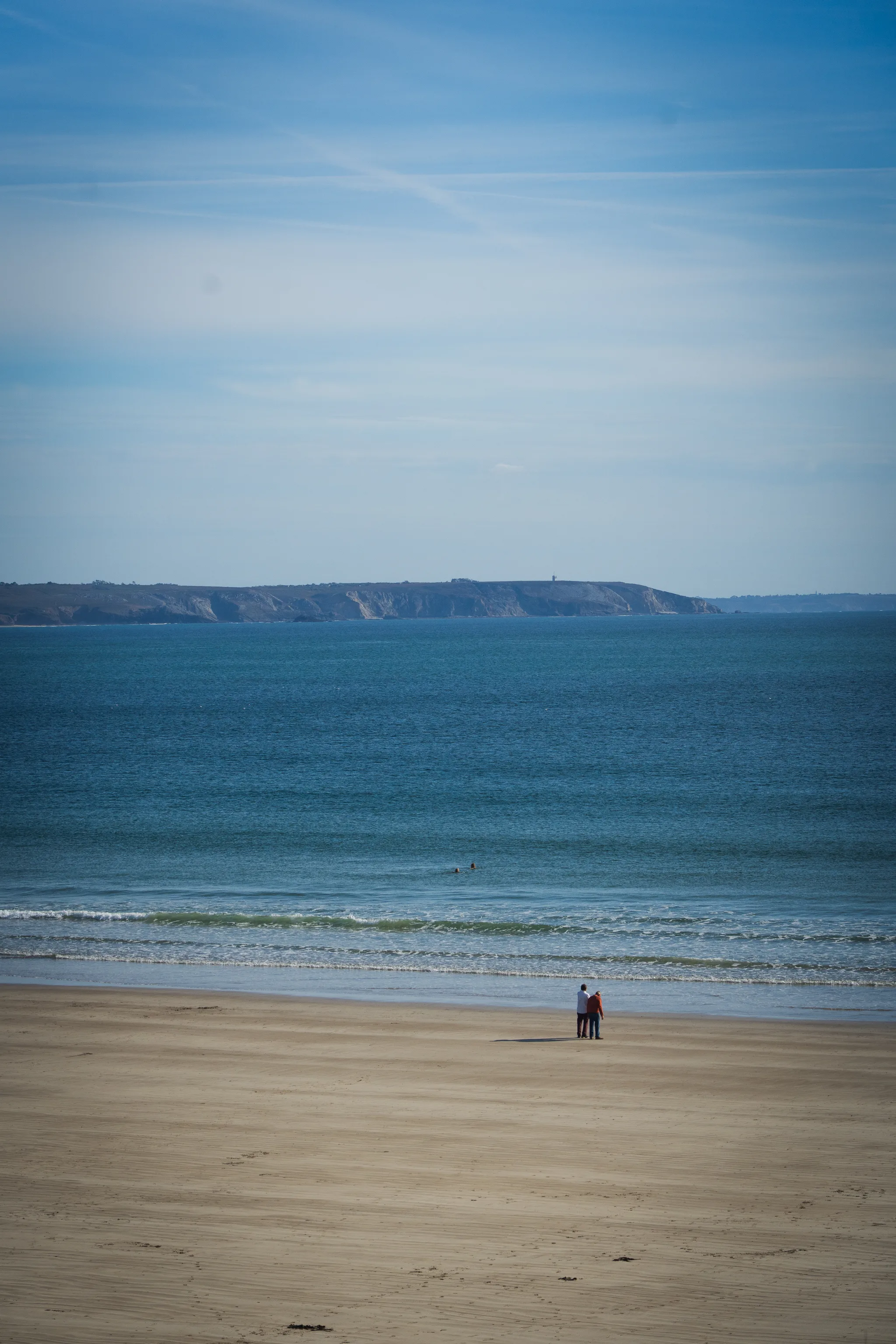
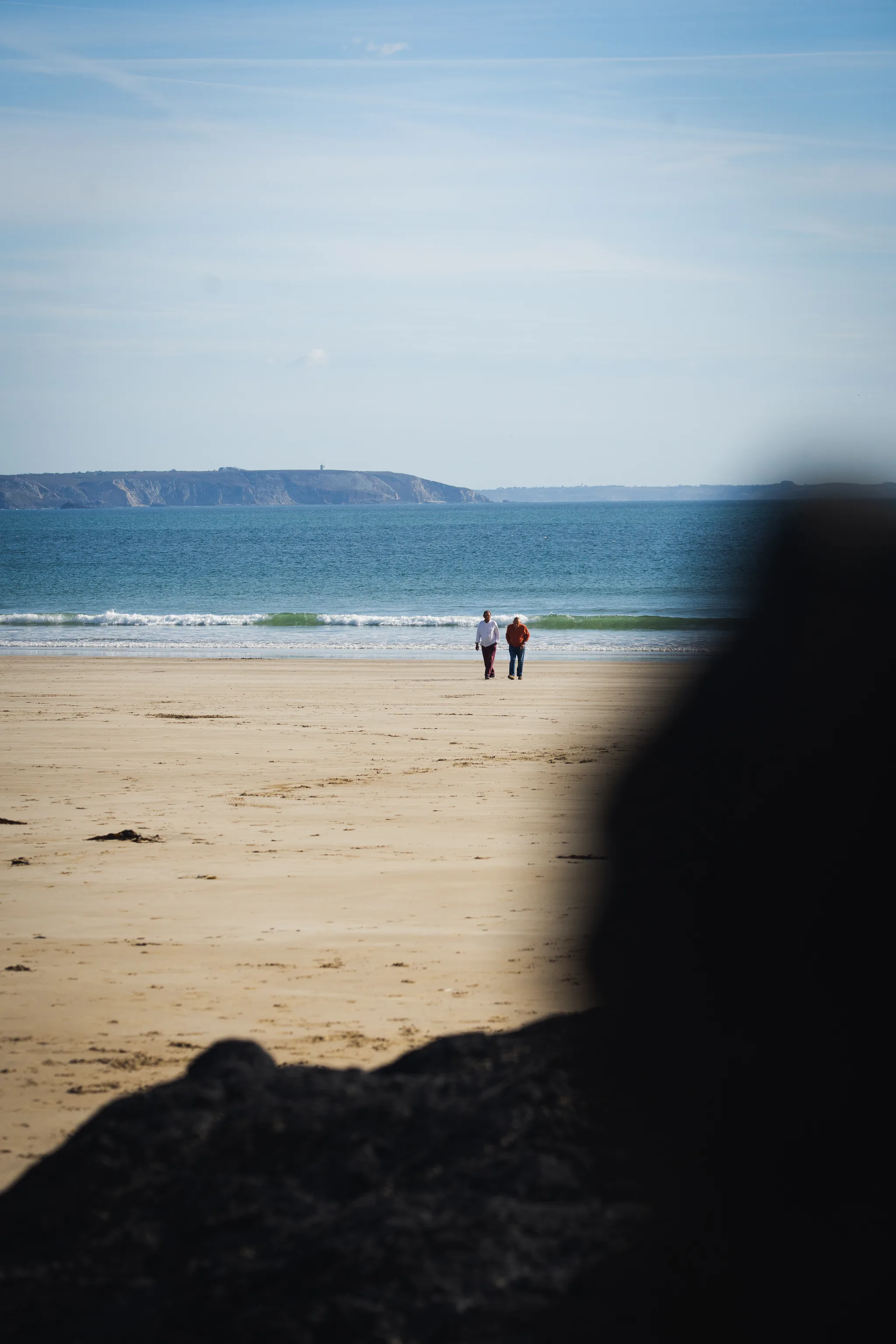
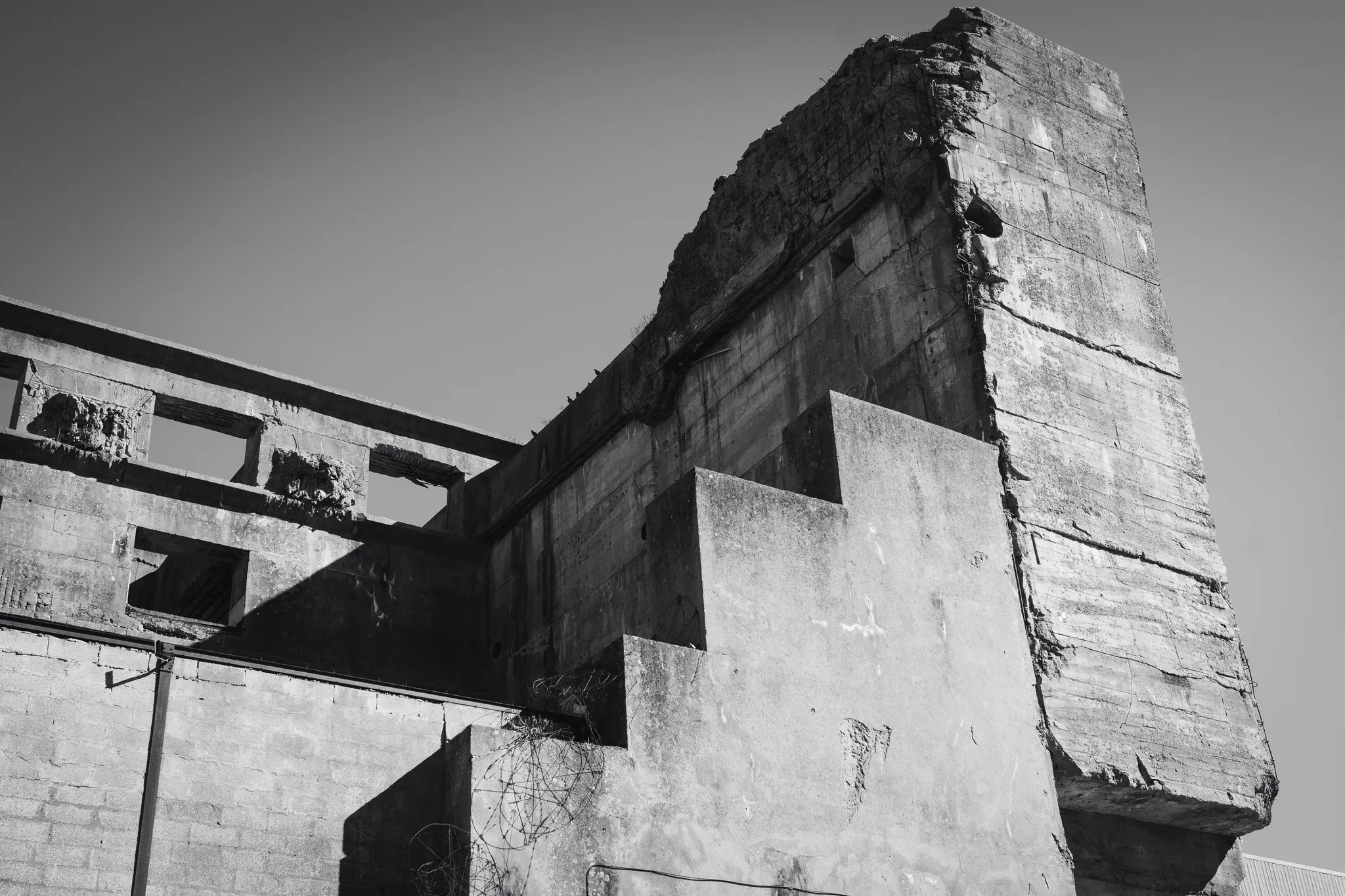
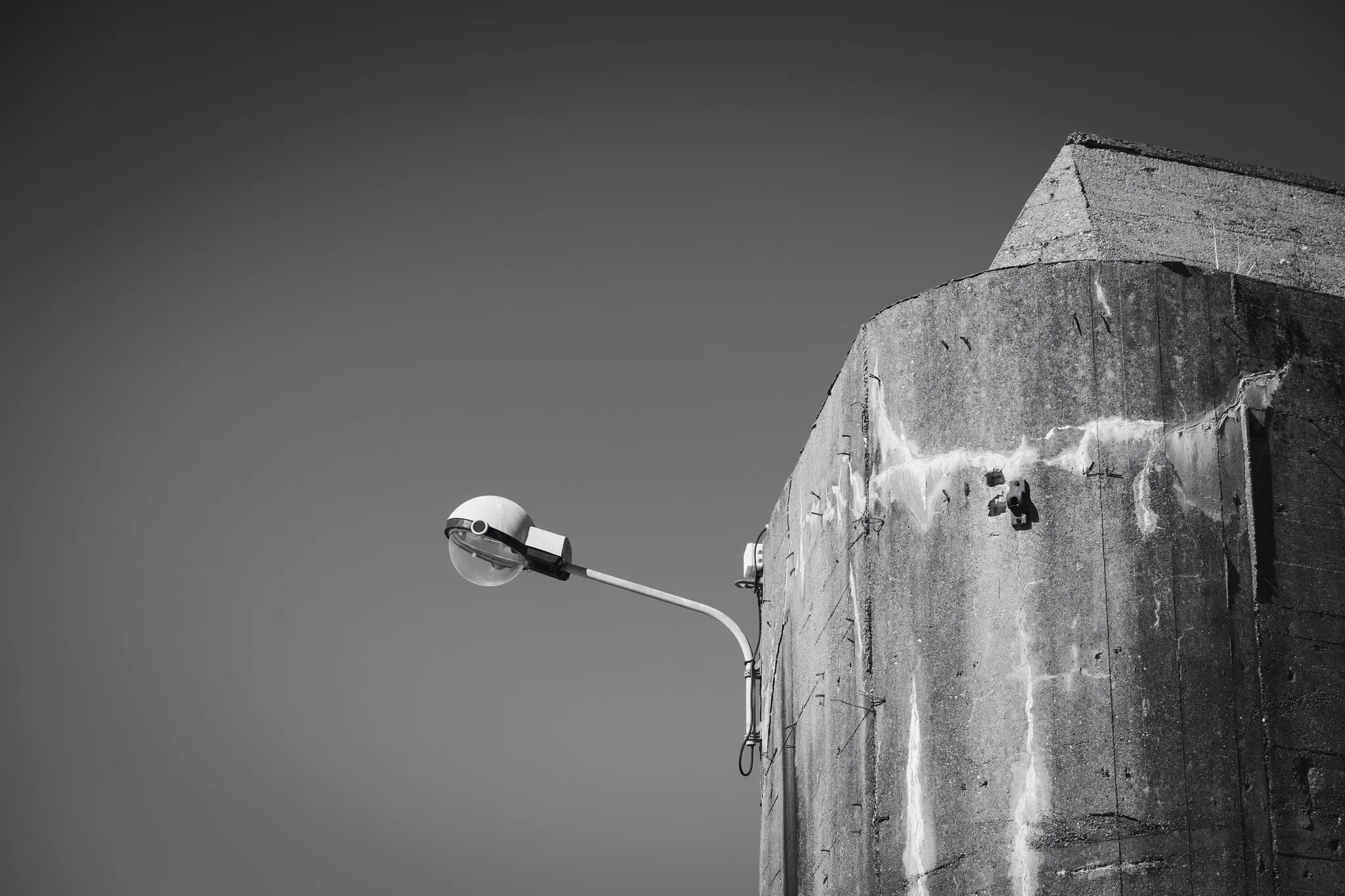
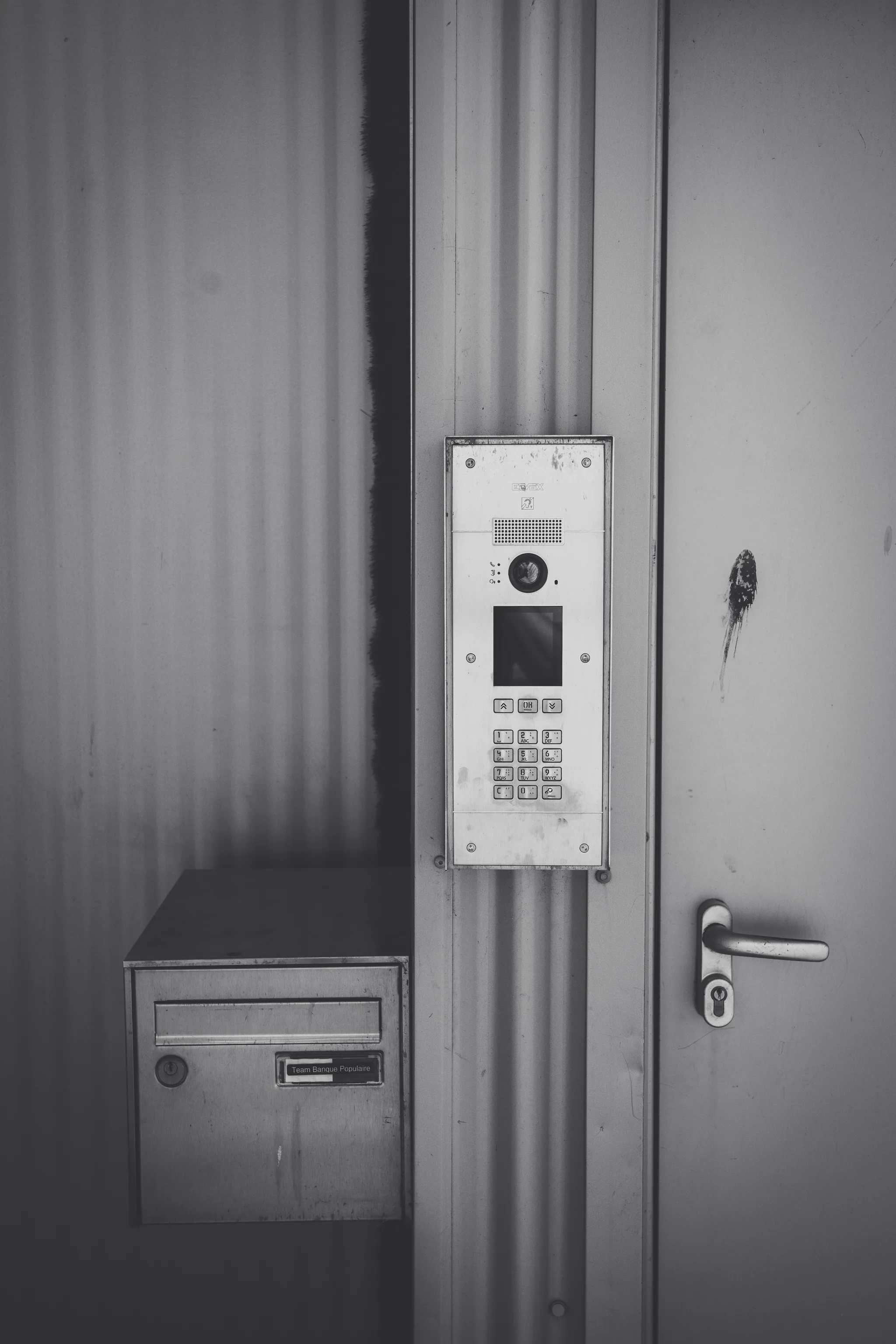
Lorient. The Germans started building the Keroman submarine base in 1940. In early 1943 the Allies, unable to crack the pens, flattened the city instead: nearly 90% of Lorient was destroyed, the bunkers survived. The French Navy kept using them until 1997.
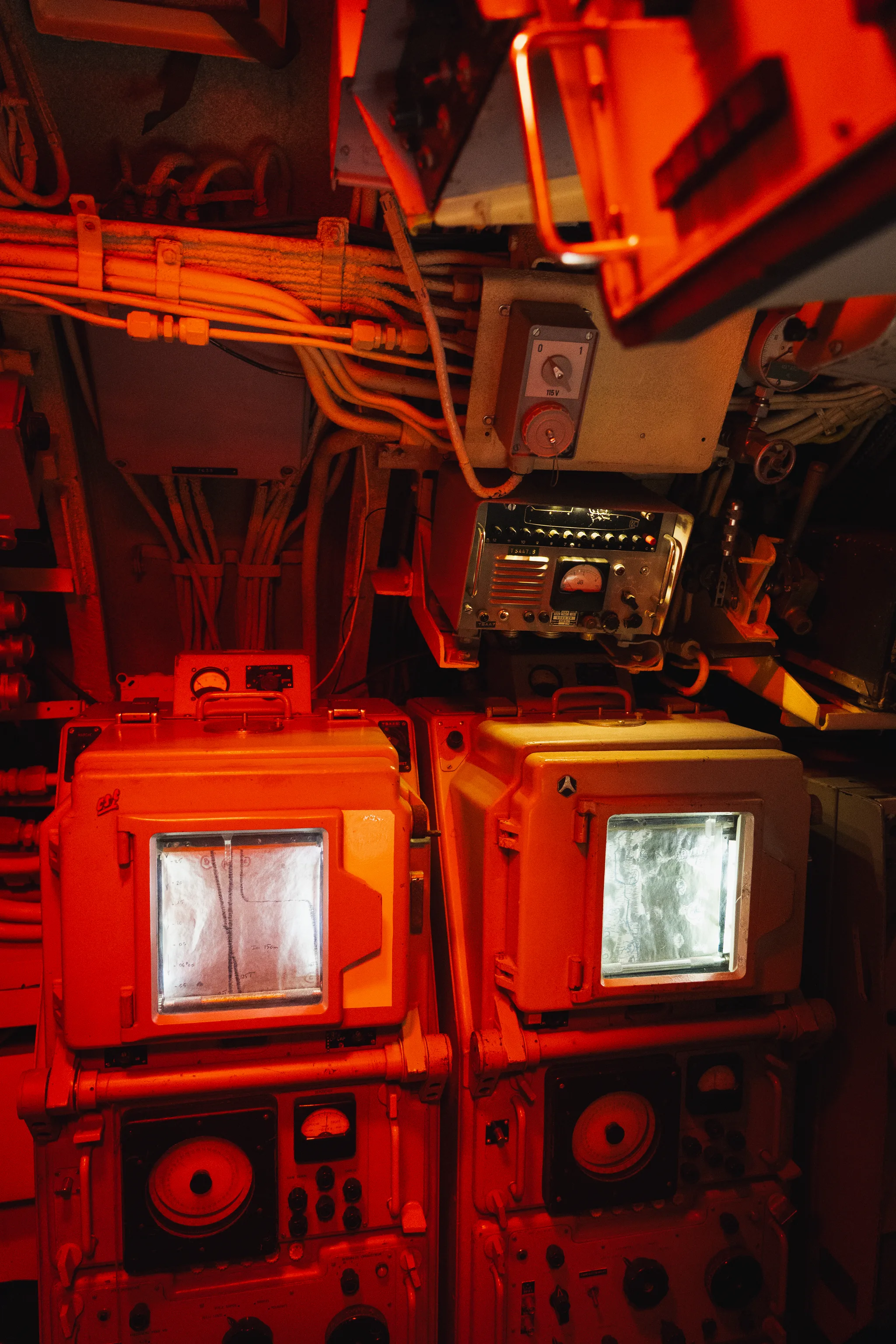
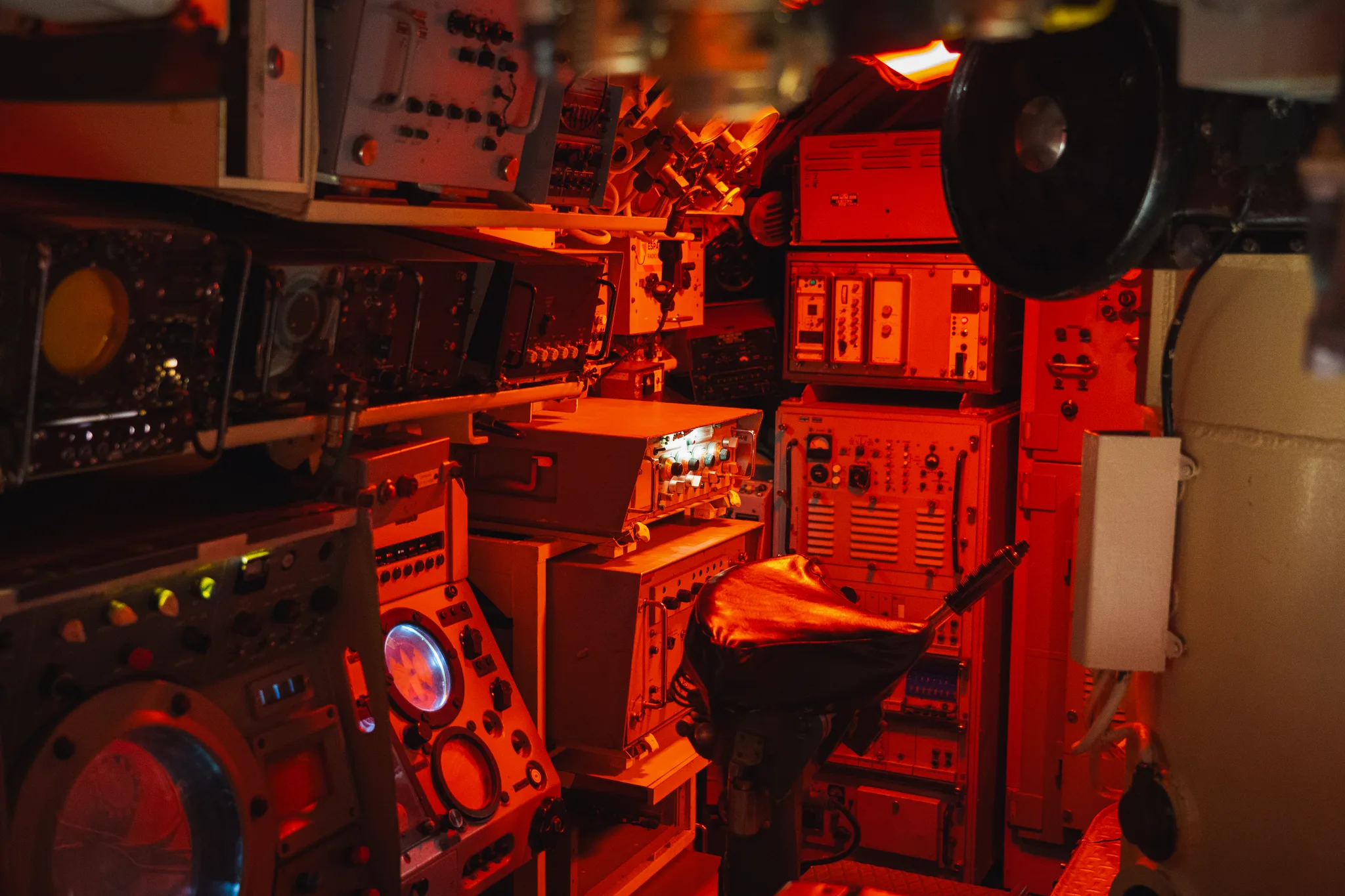
Today you can climb into the Flore, a Daphné-class submarine from the early sixties, lit in red like a darkroom.
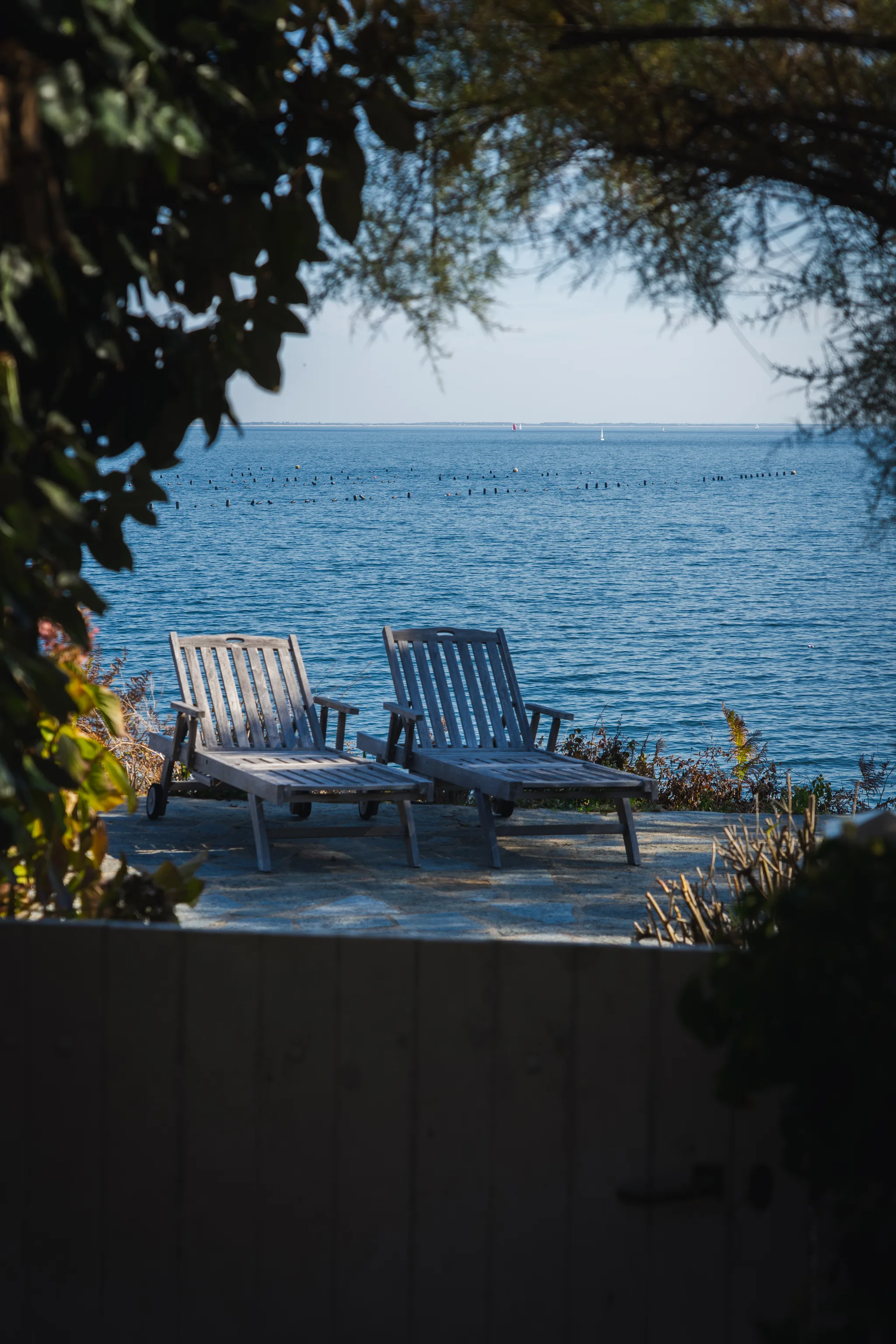
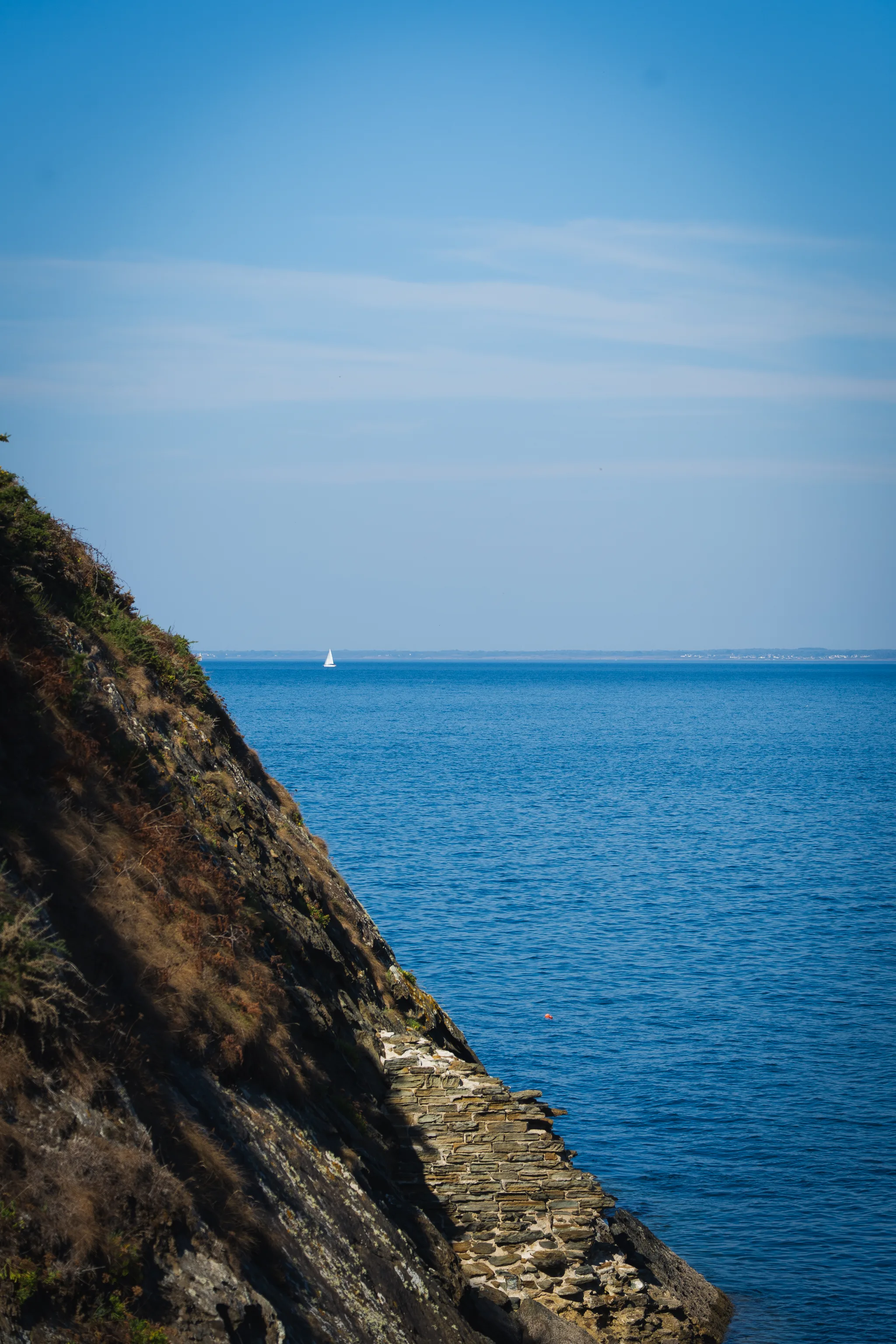
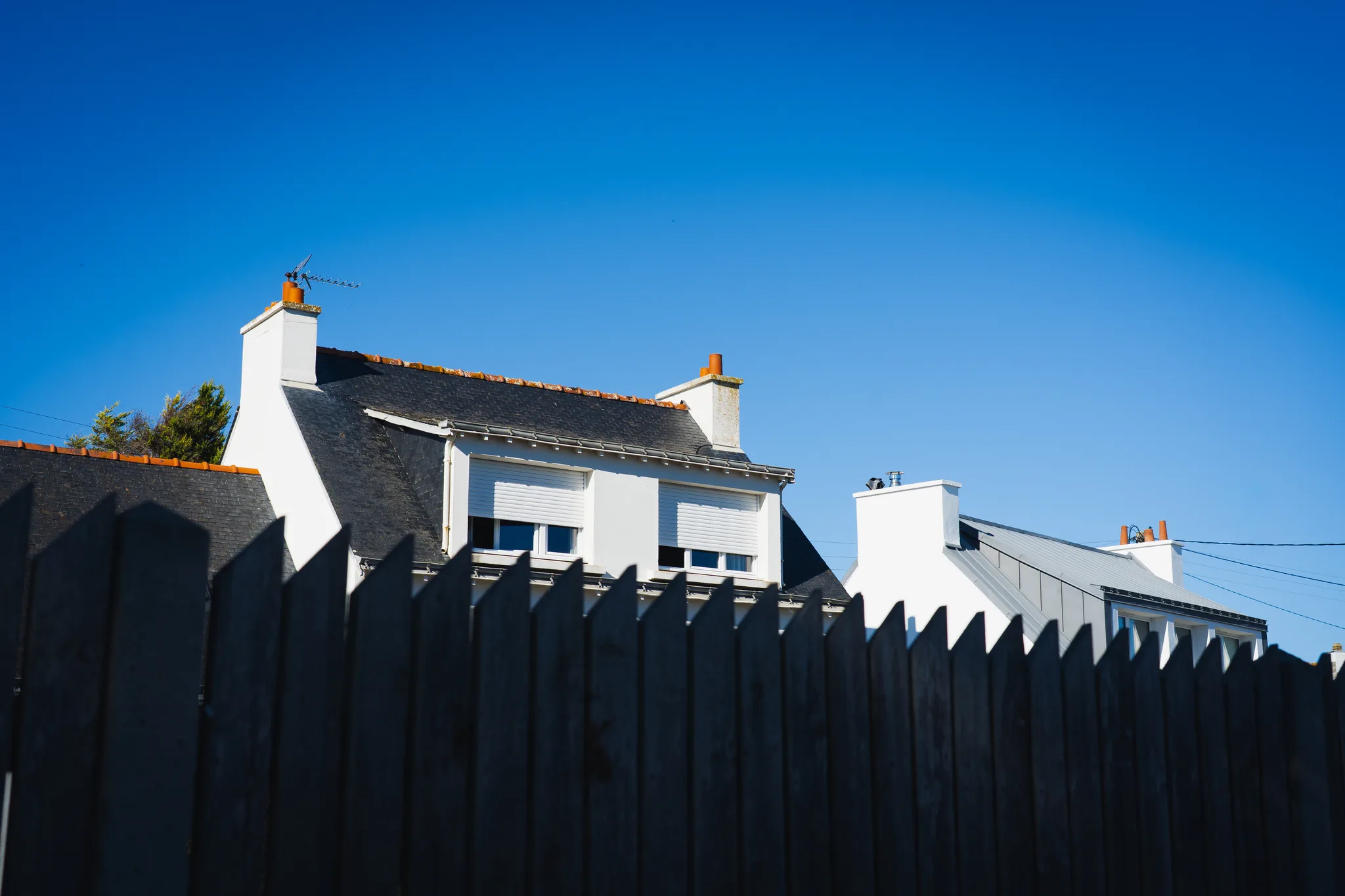
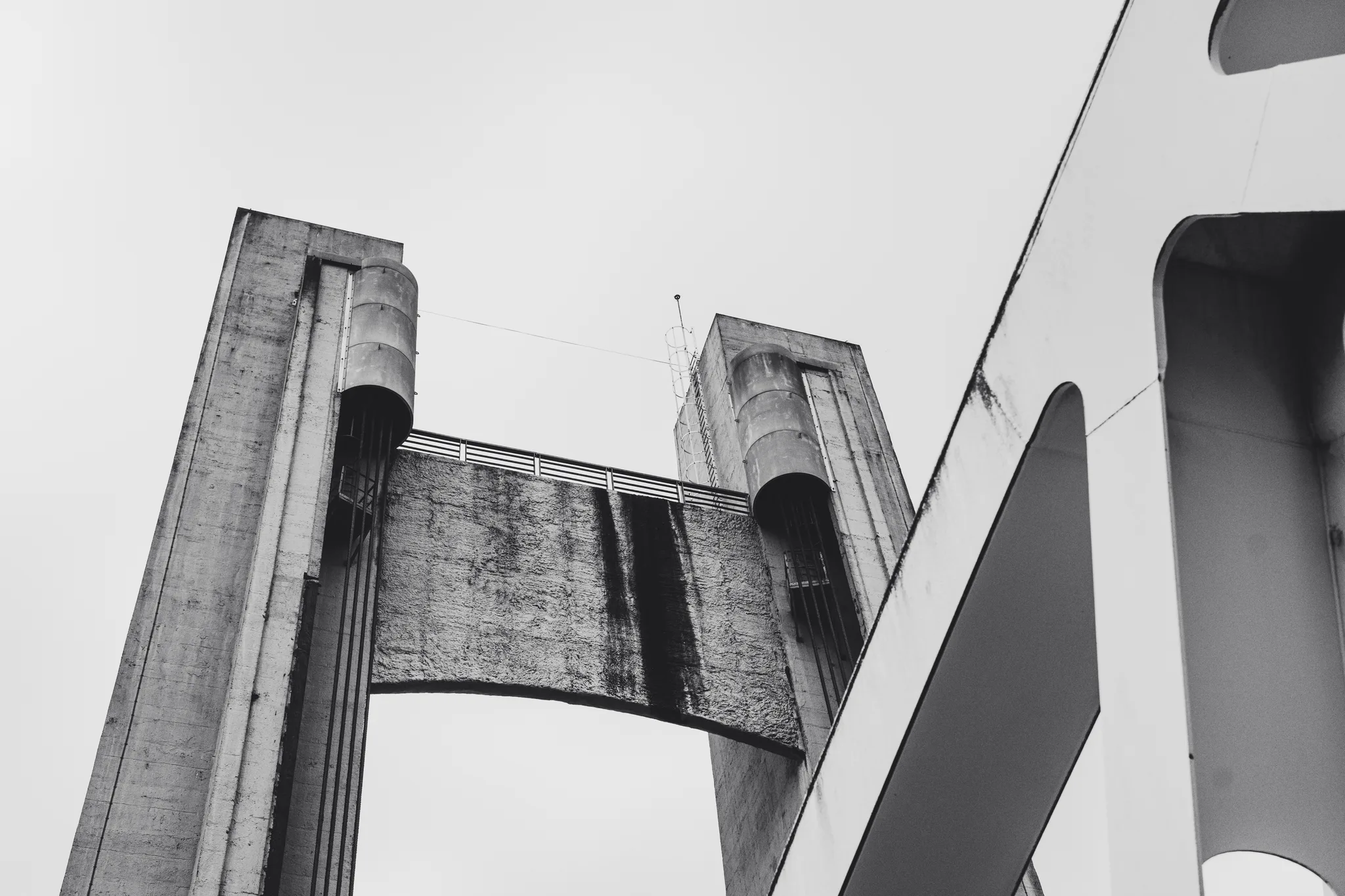
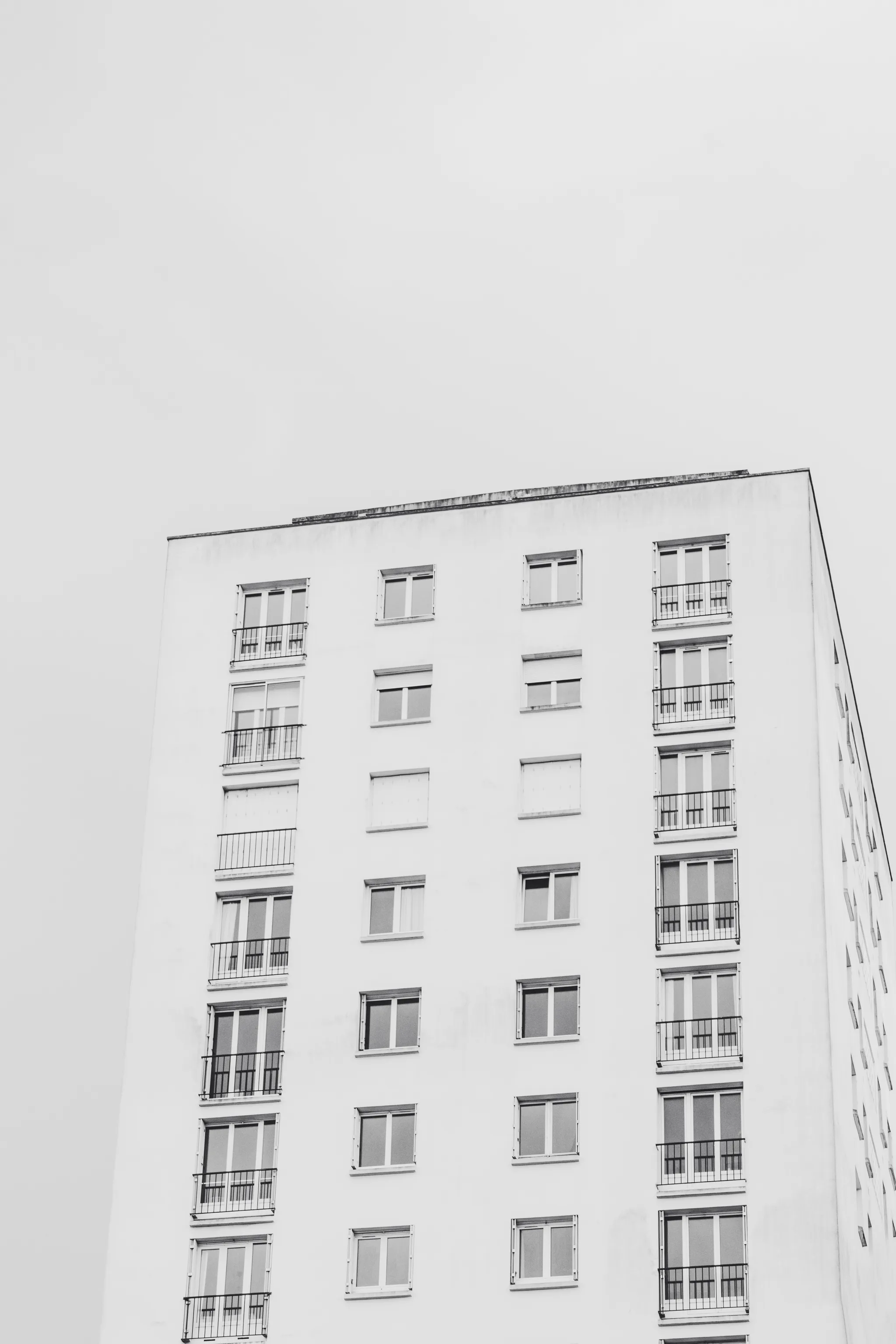
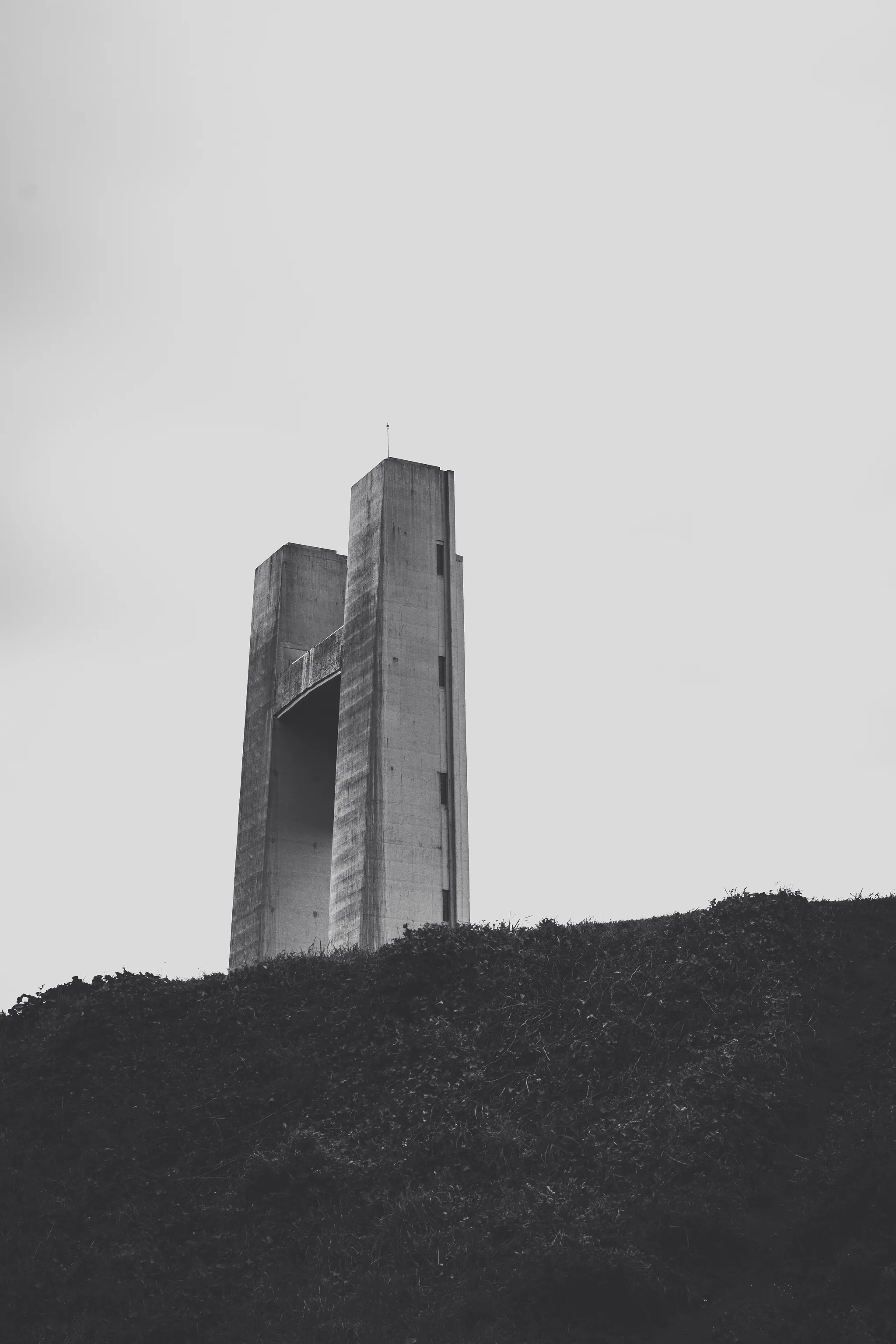
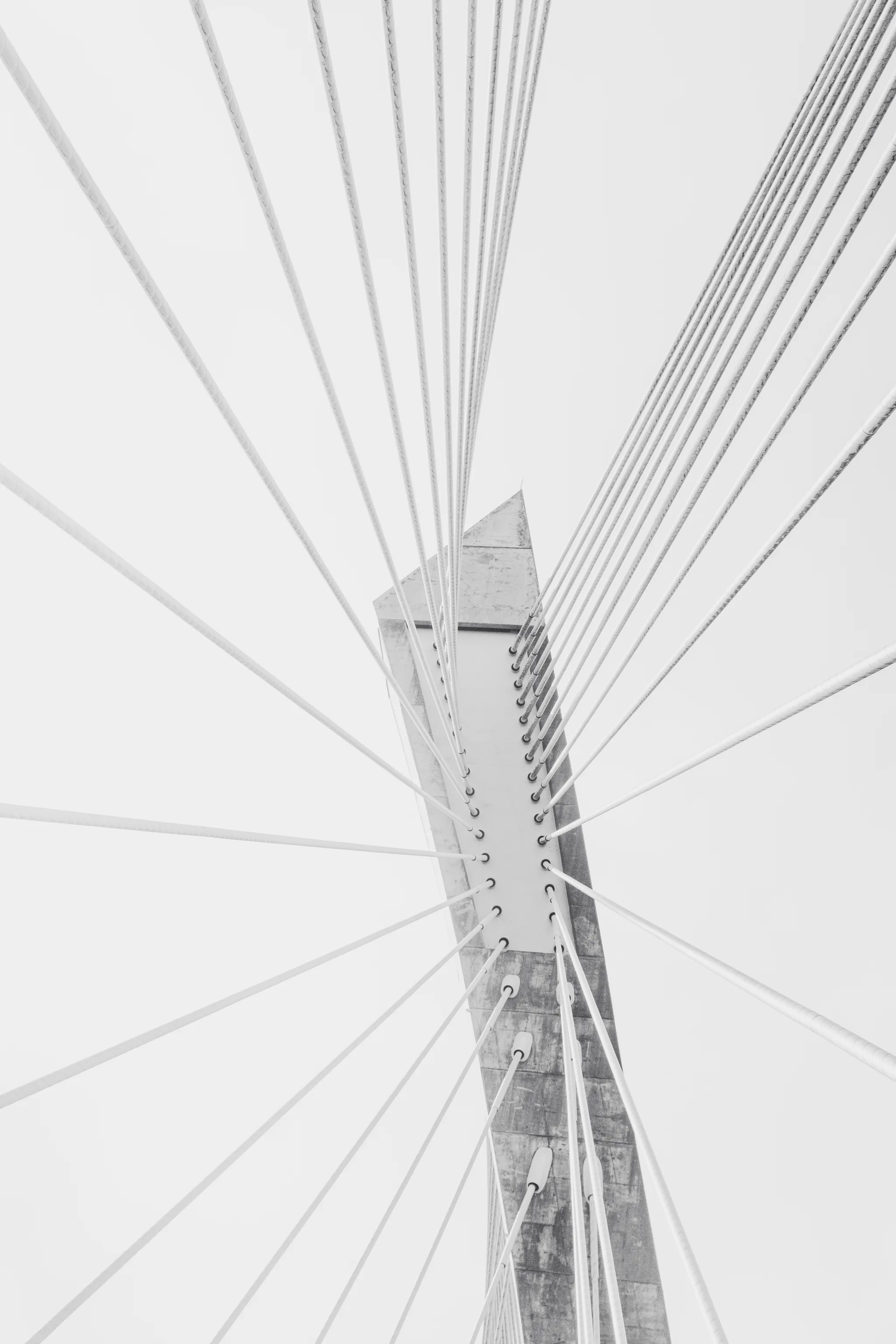
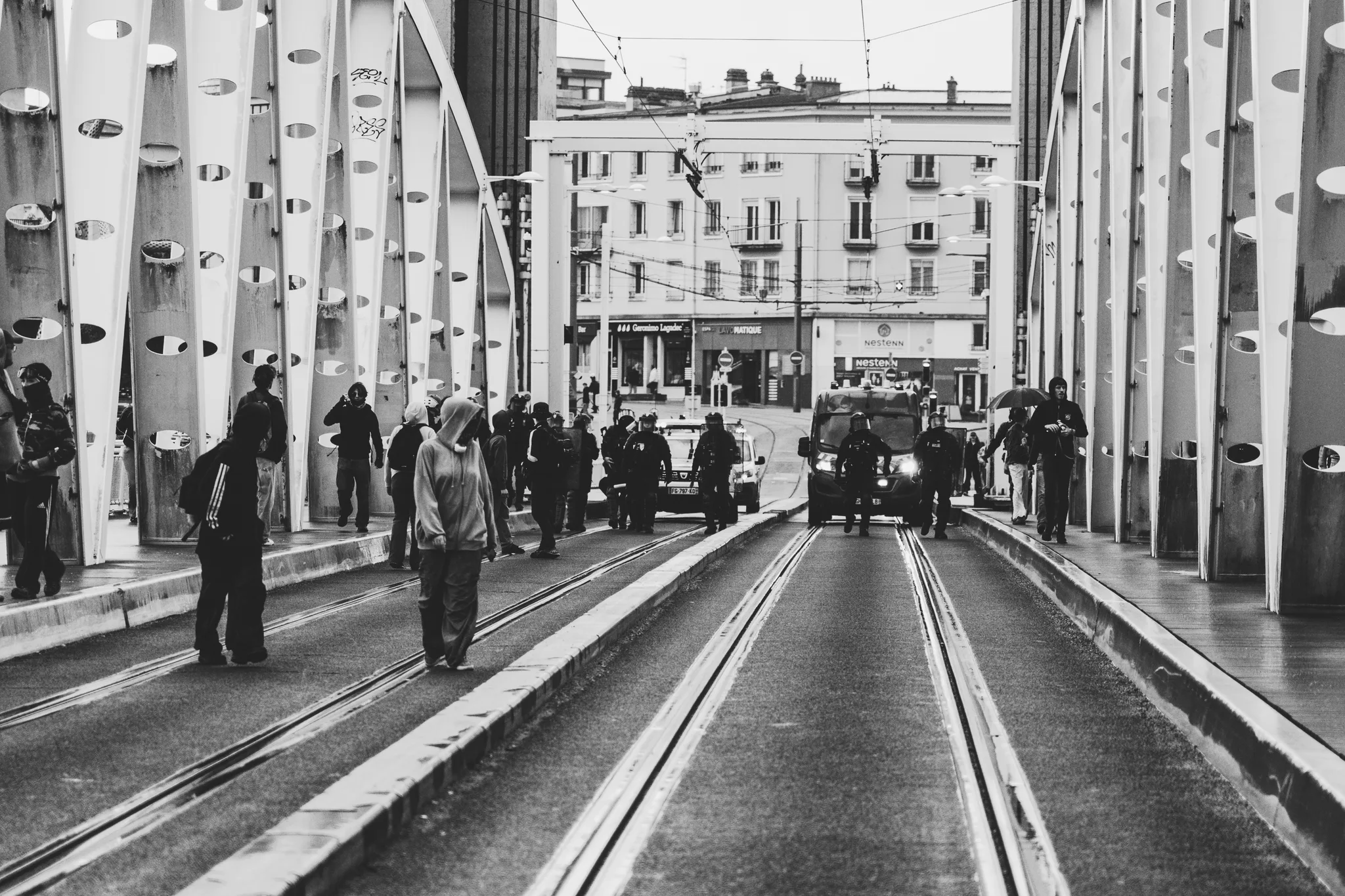
Brest got the same treatment in 1944. The old center was almost wiped out and rebuilt under chief architect Jean-Baptiste Mathon: straight streets, wide and dead serious. The Pont de Recouvrance crosses the Penfeld between two 70-metre concrete pylons; since 2012 the tram rides across it.

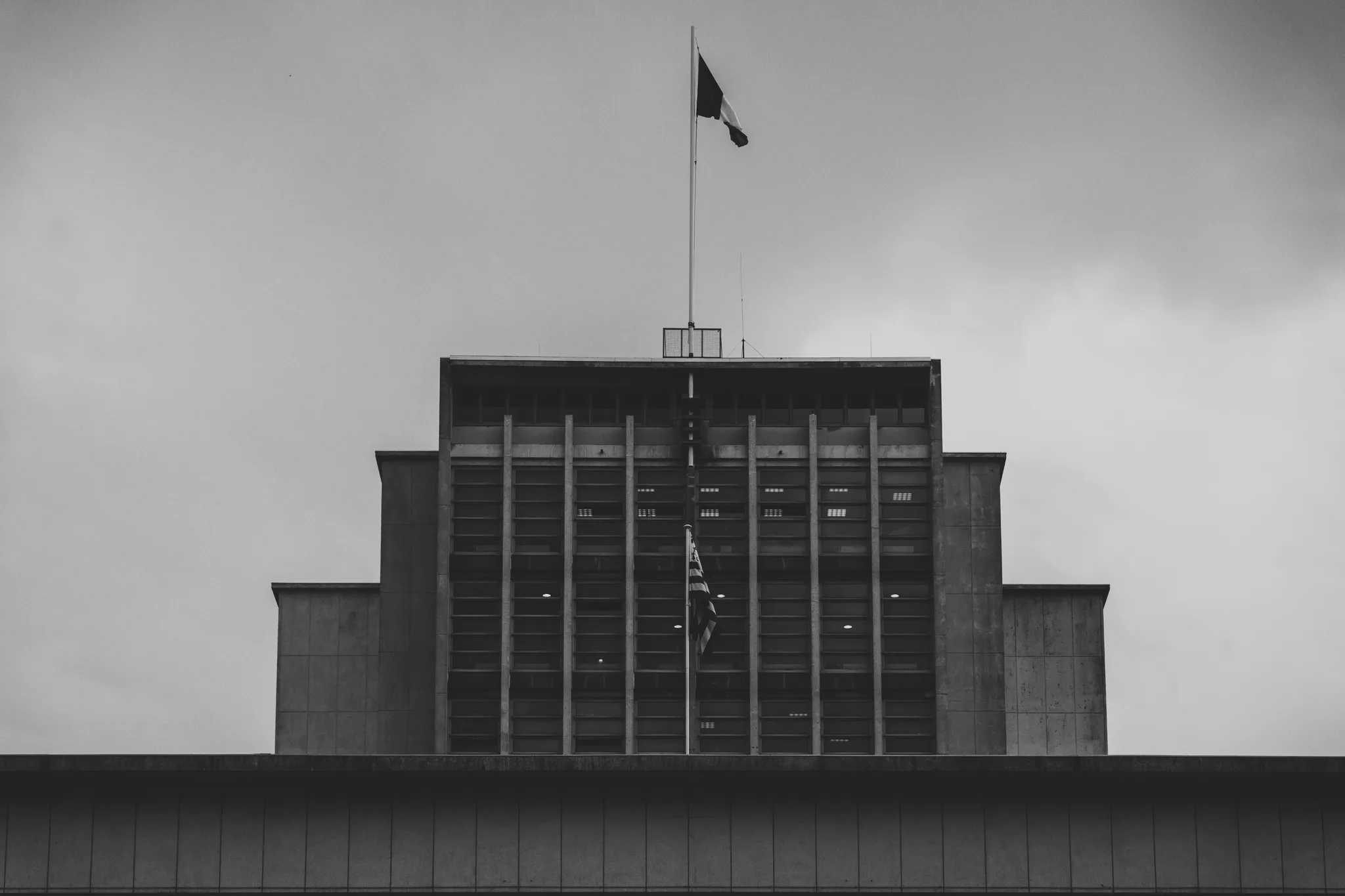
The city hall by Maurice-Léon Génin, finished in 1961, closed the reconstruction. Raw concrete, and sixty years later people are still not sure they like it.
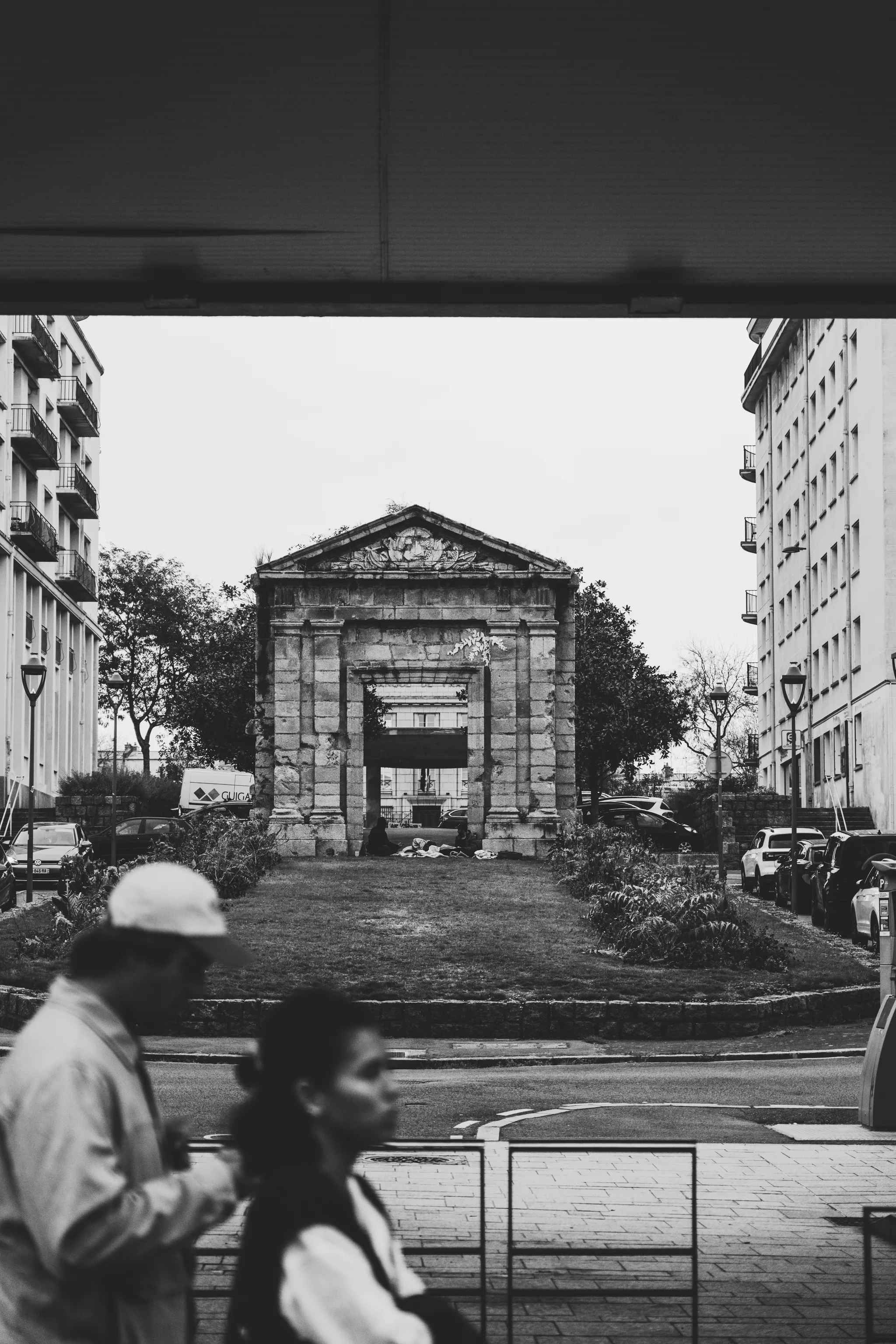
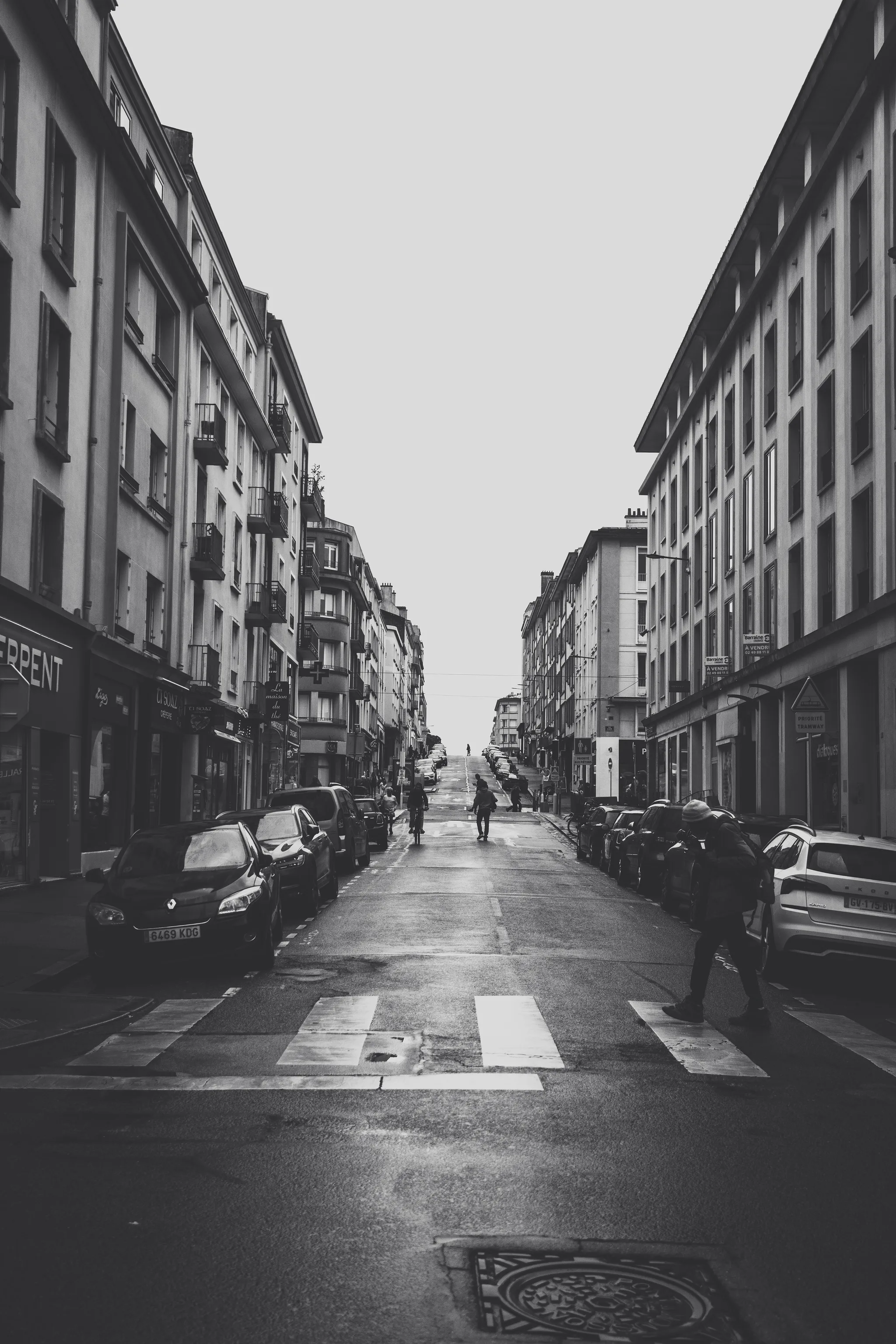
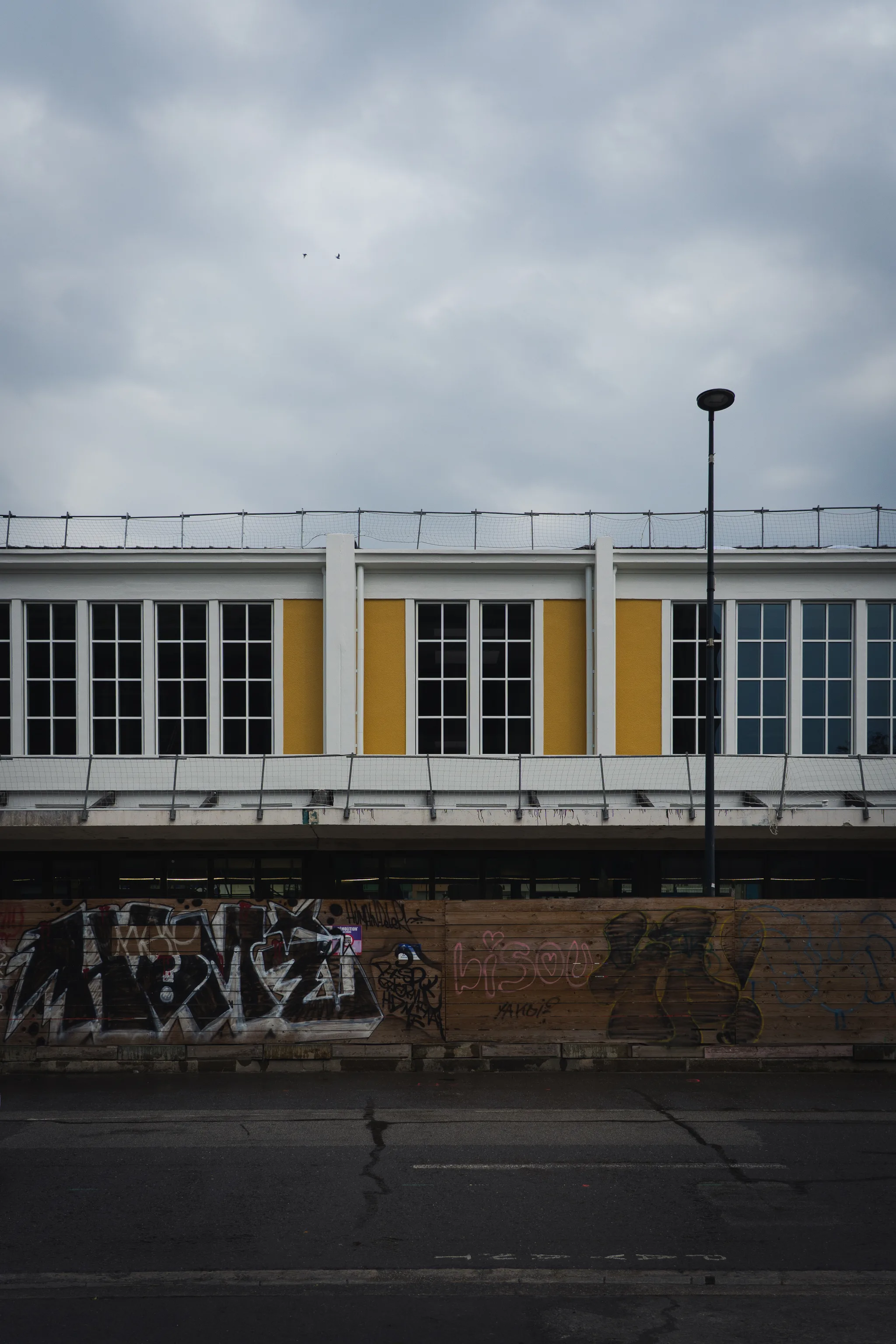
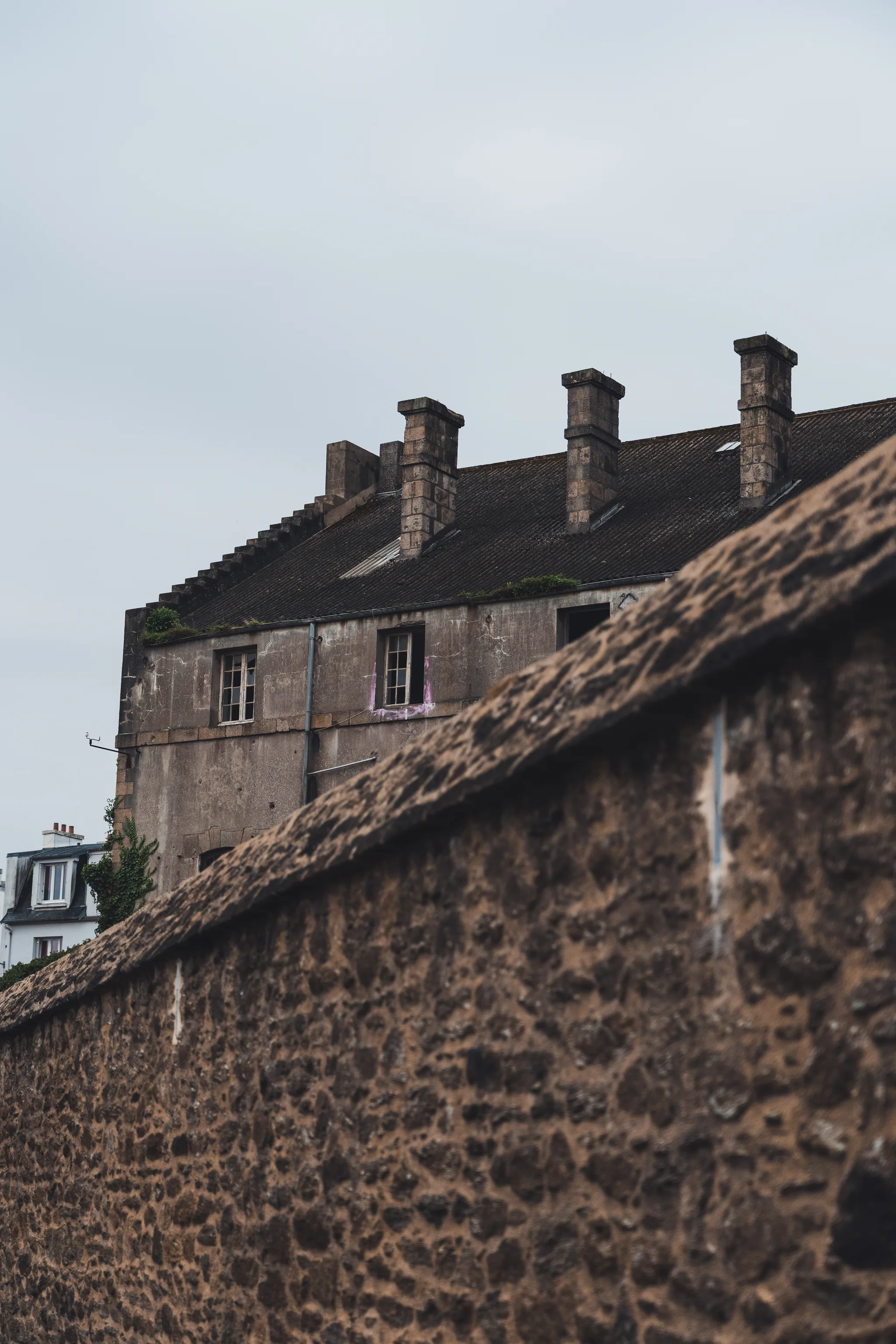
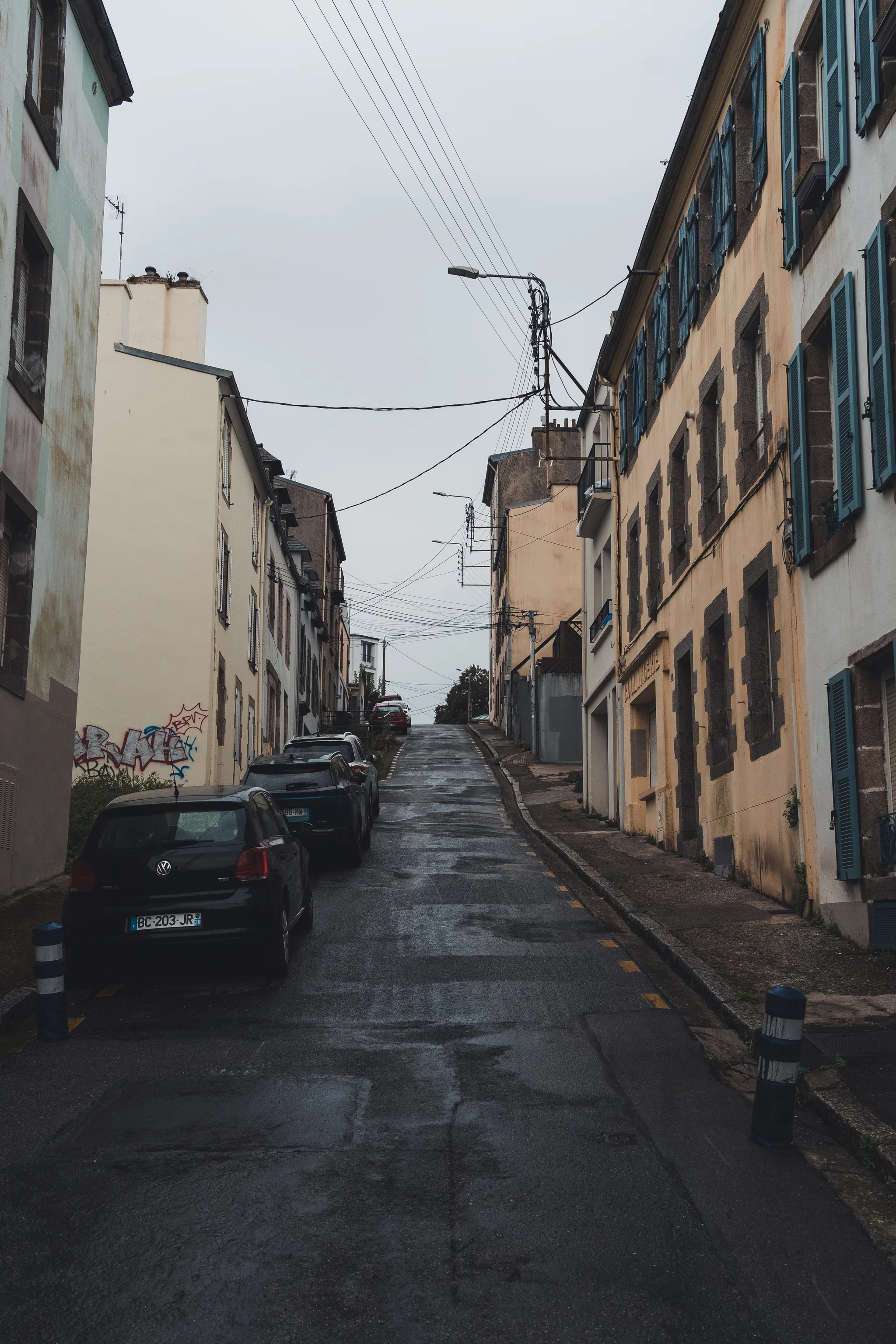
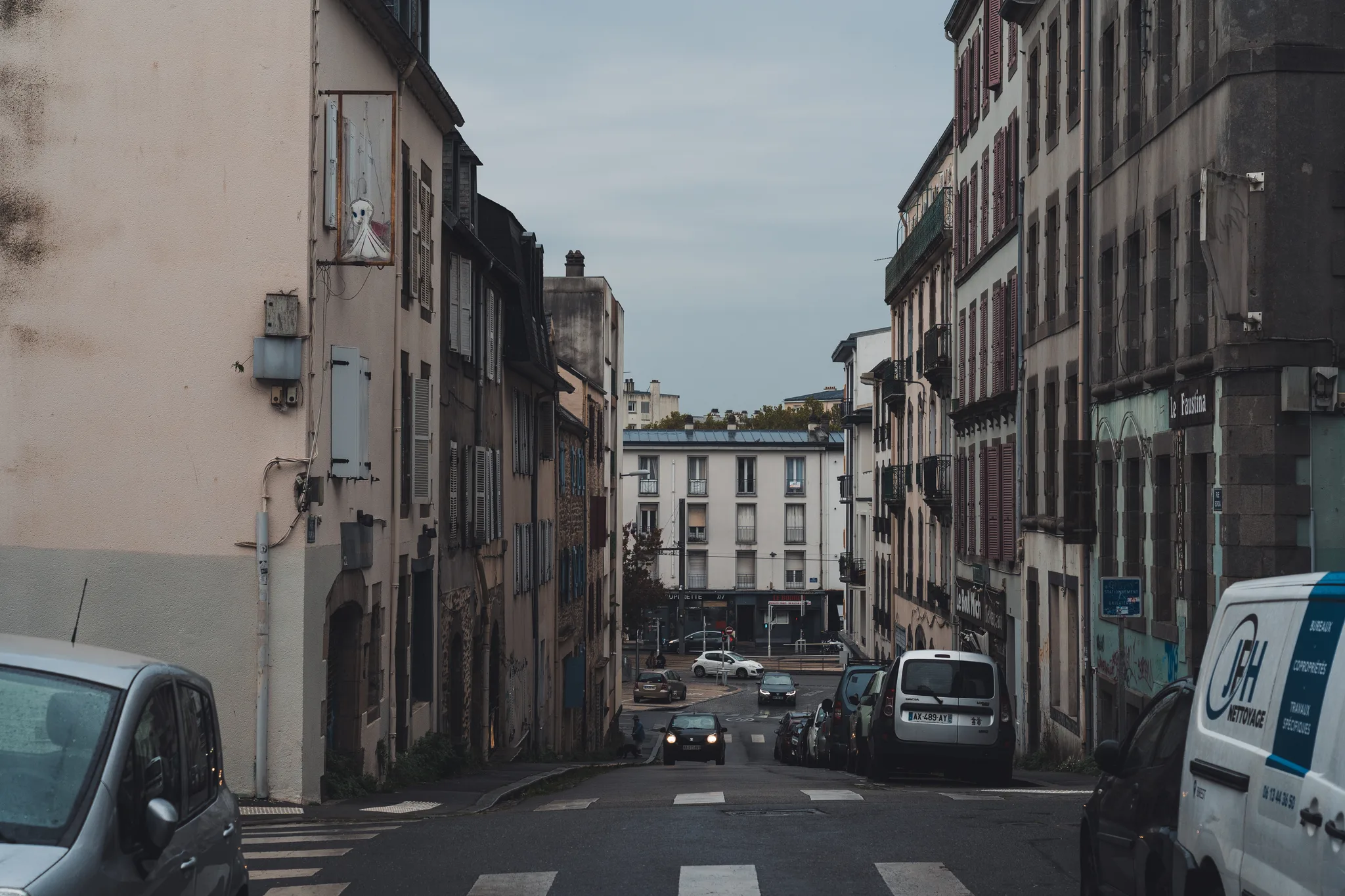
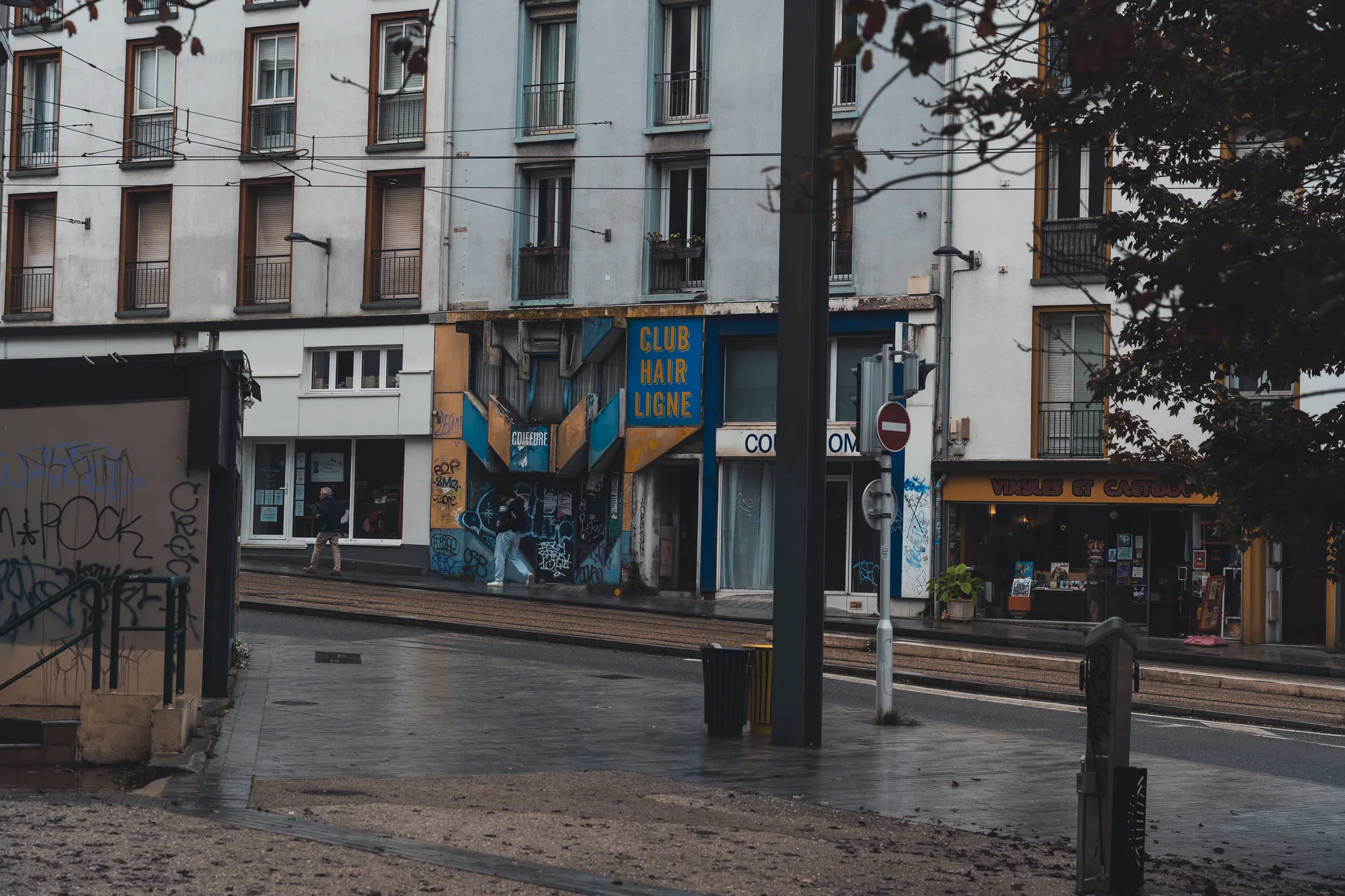
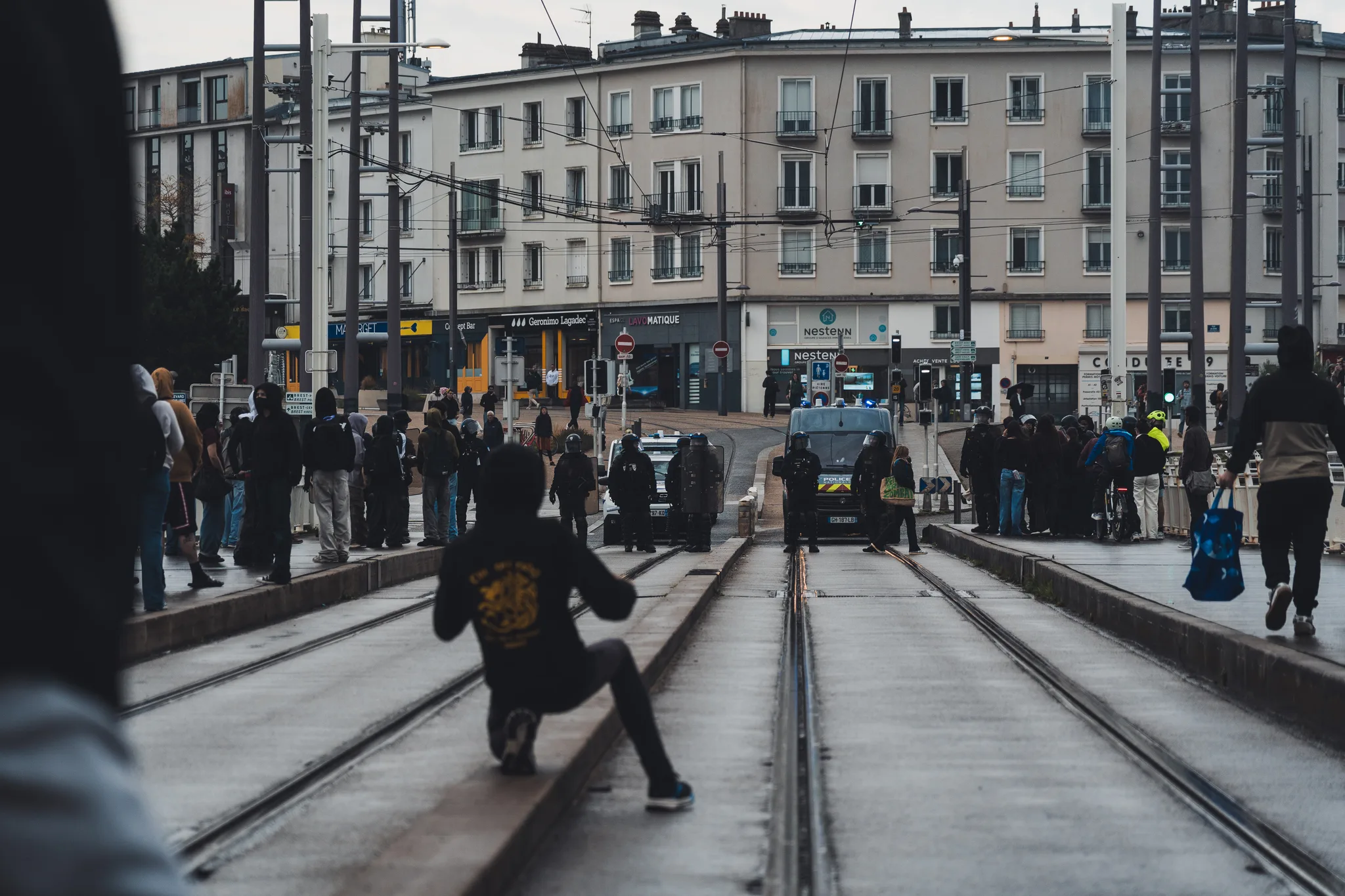
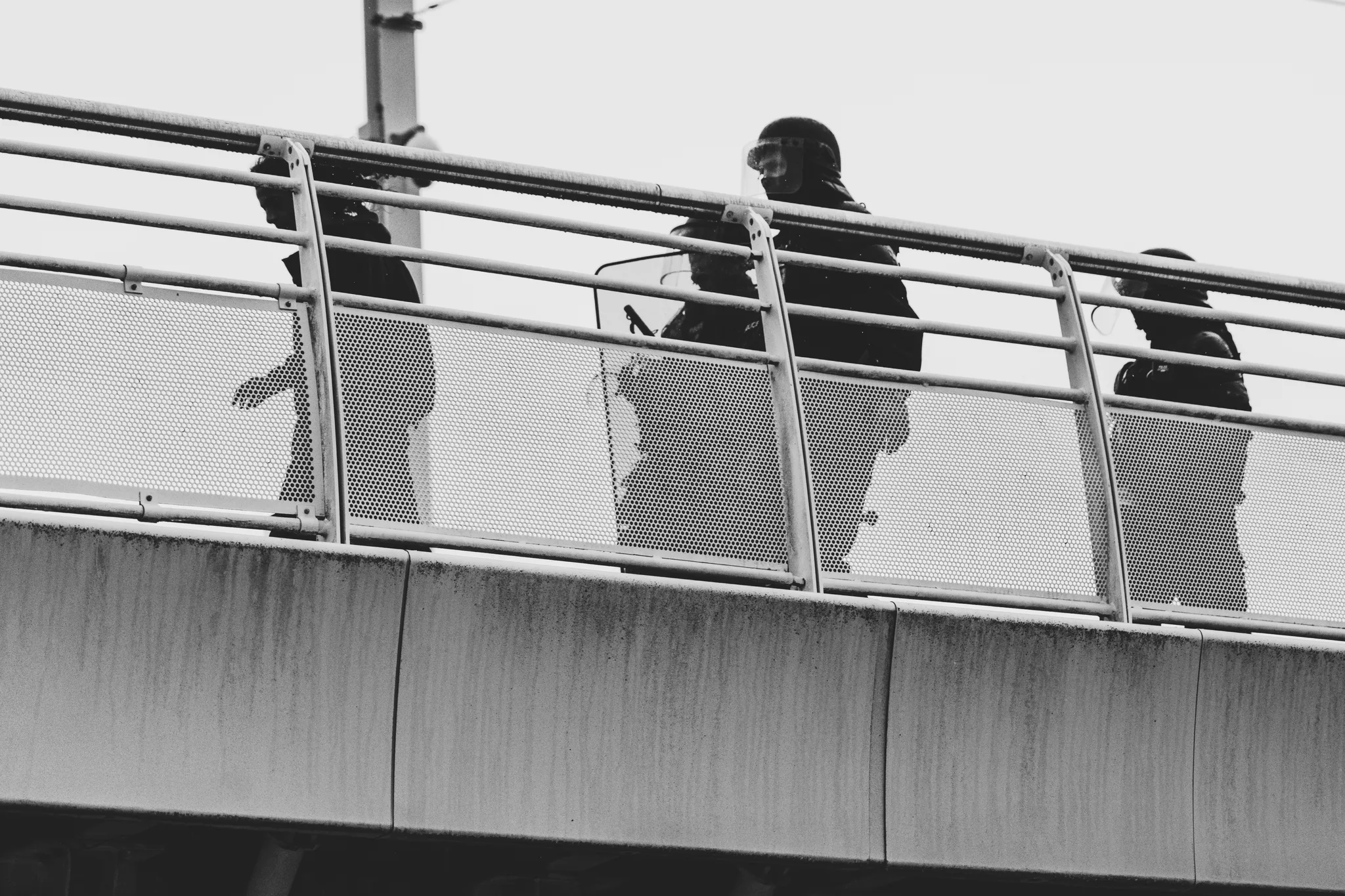
Of course, this being France, the people were protesting and we got to know the local police force. The kids are alright.
Mont-Saint-Michel, technically already Normandy. The Couesnon is the old border with Brittany, and the saying goes: "Le Couesnon dans sa folie a mis le Mont en Normandie." The river shifted its bed and put the Mont on the wrong side, depending on who you ask.
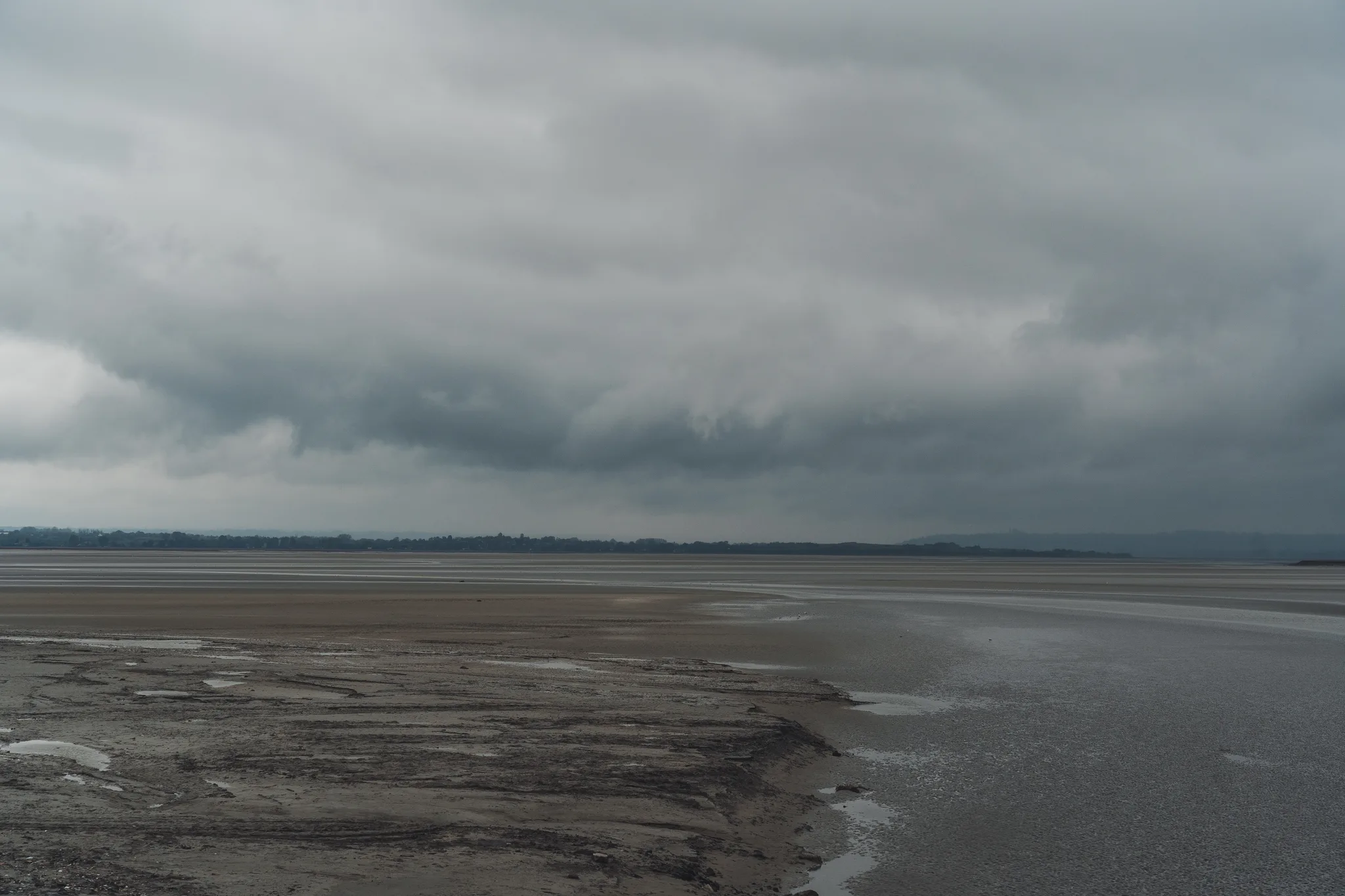
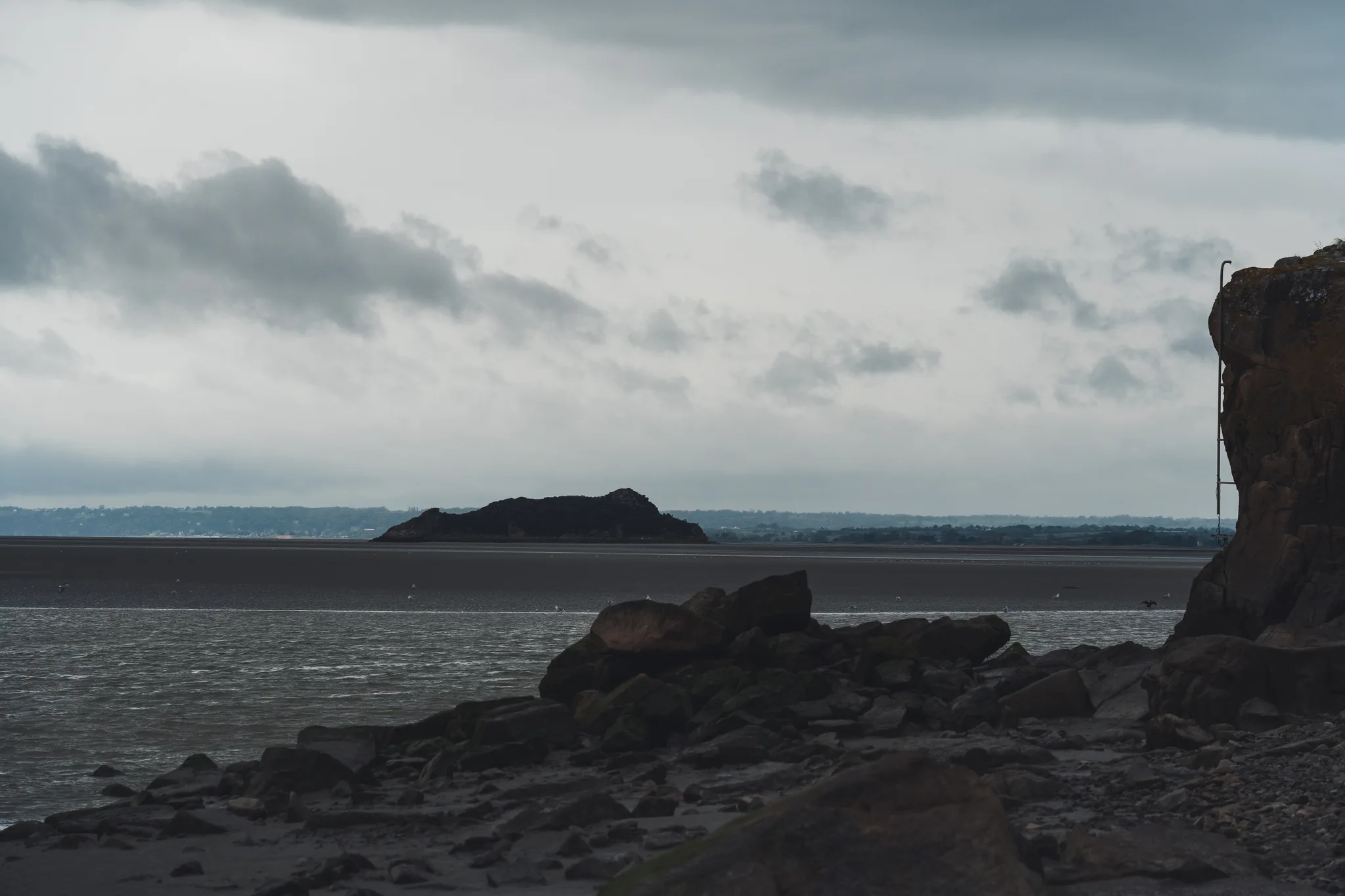
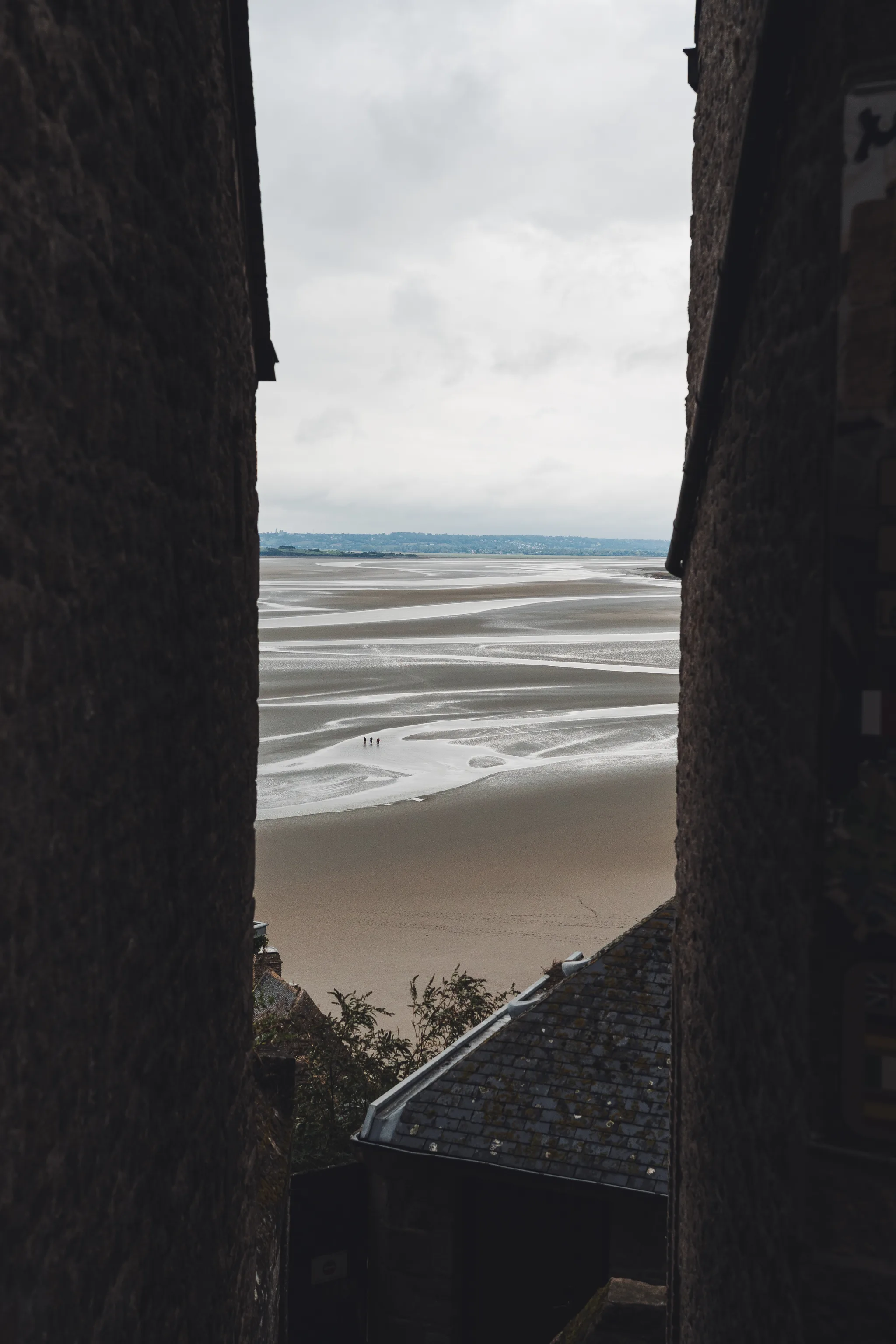
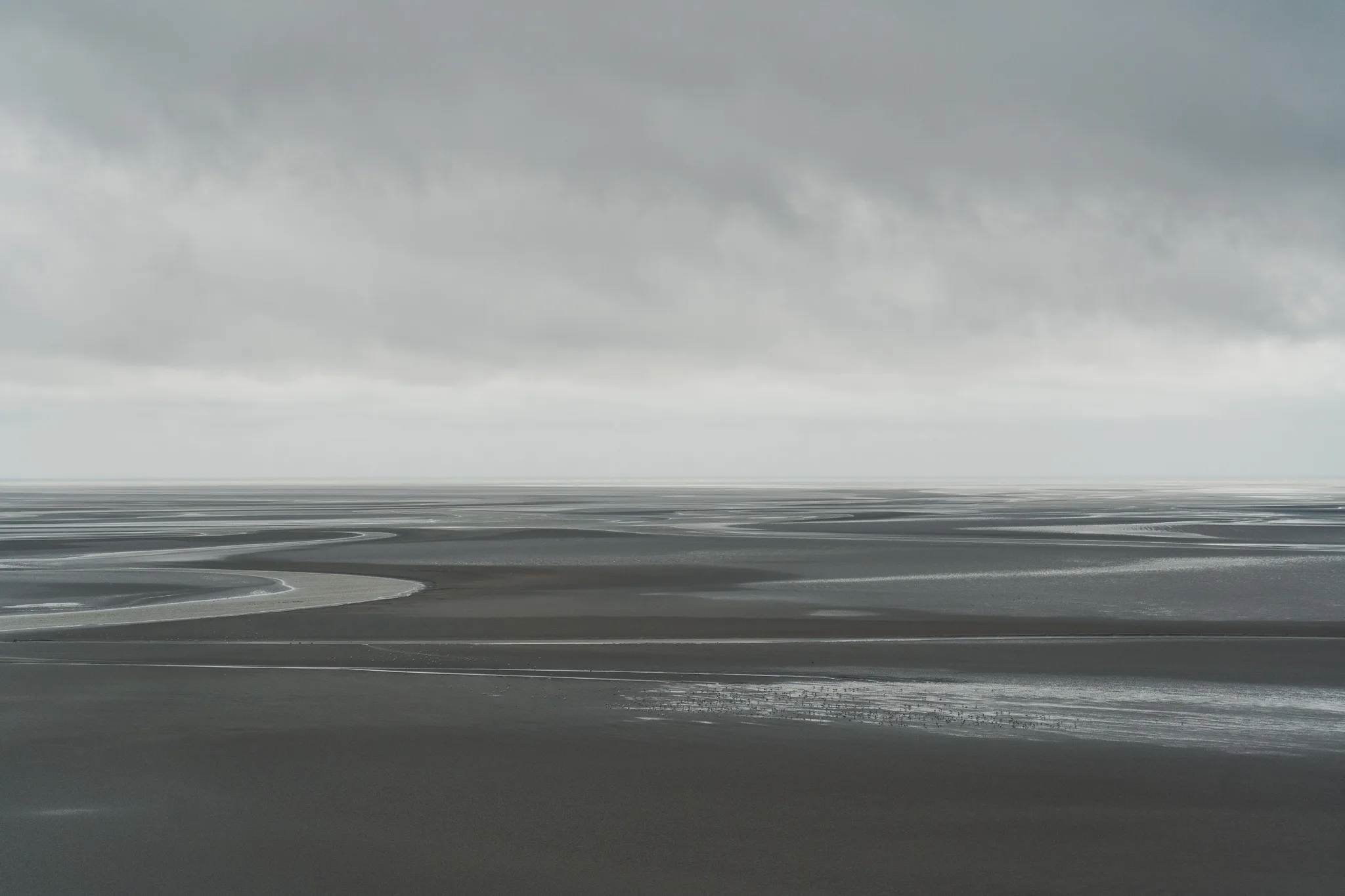
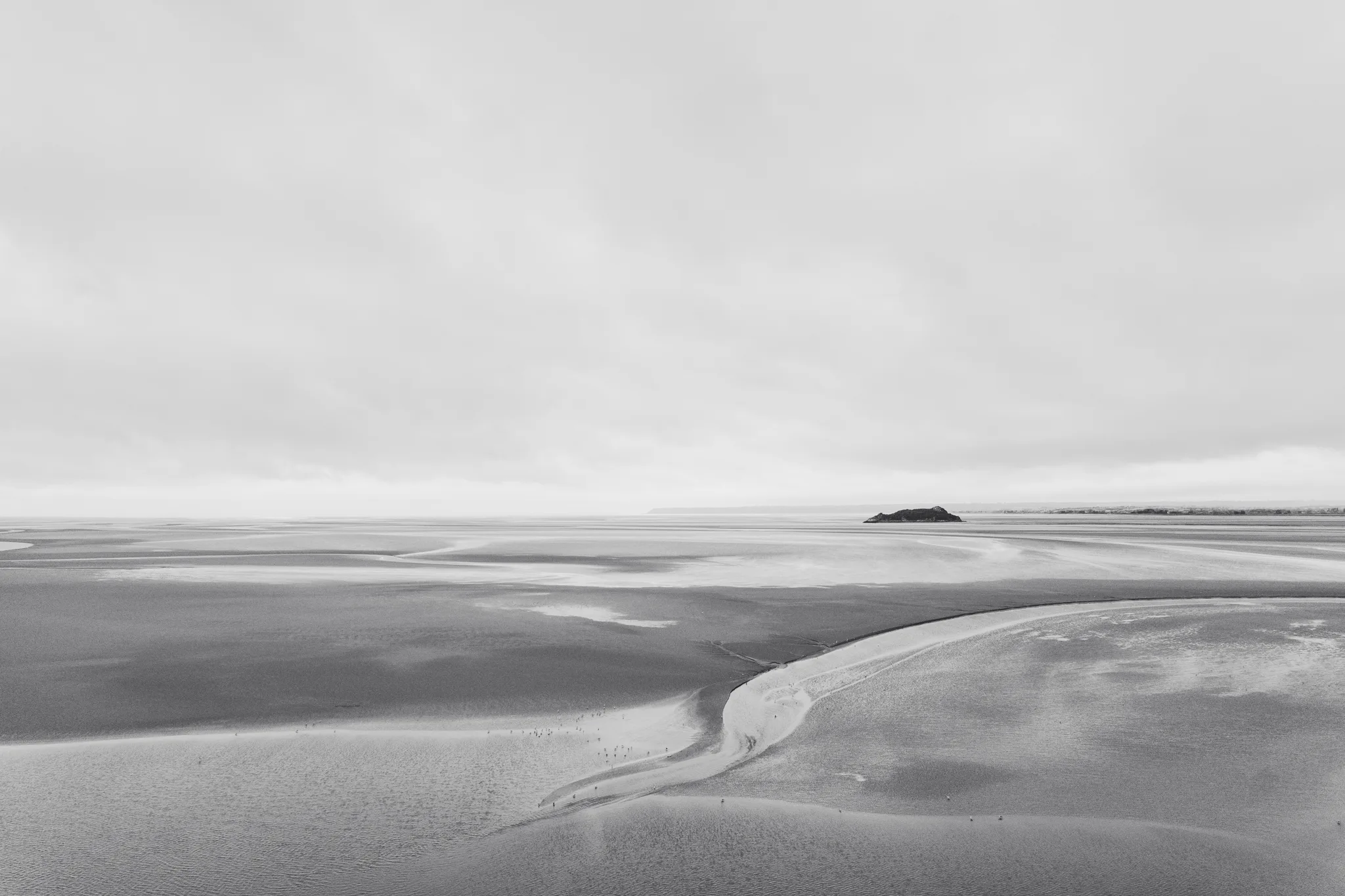
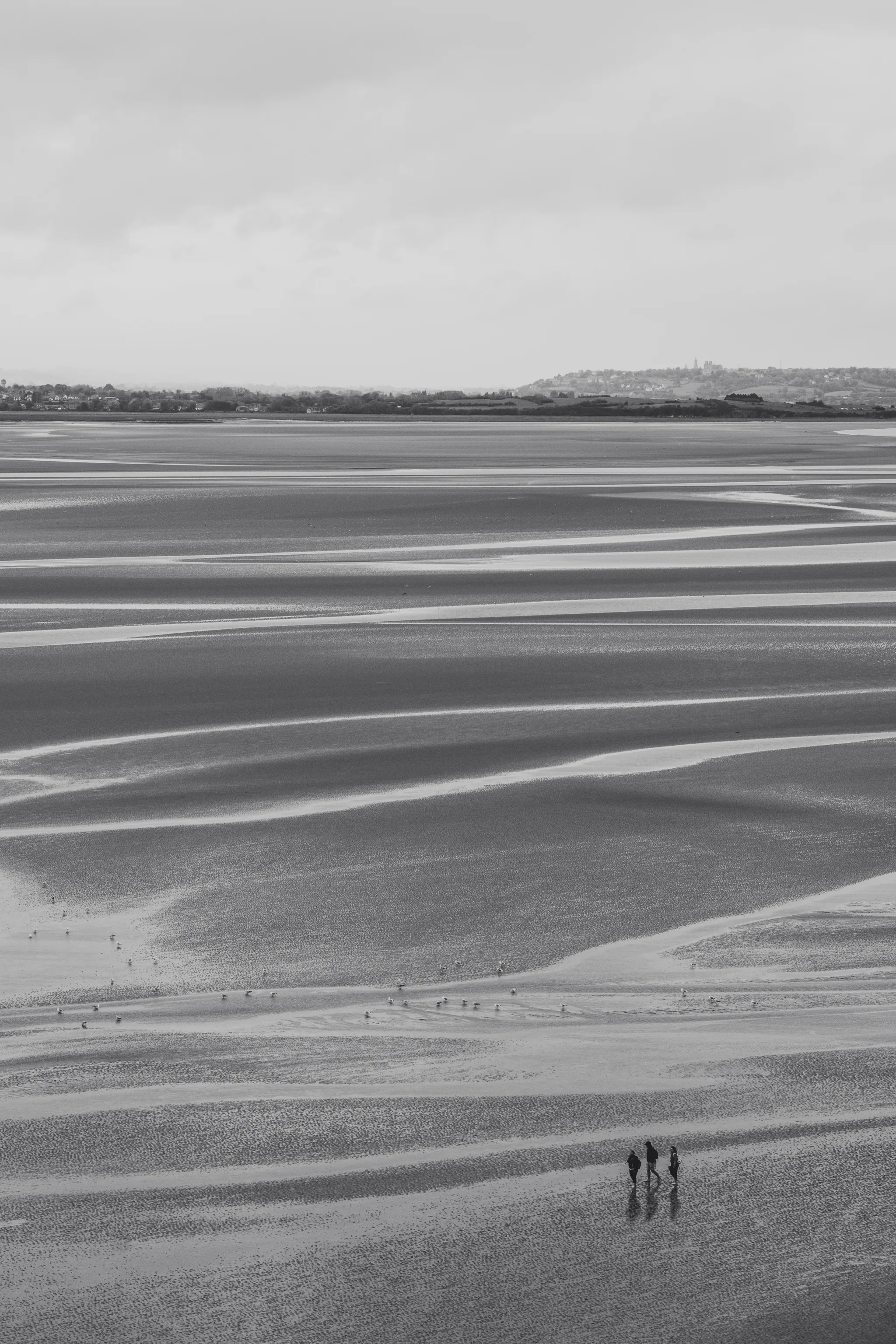
At low tide the bay is mostly grey sand and sky.
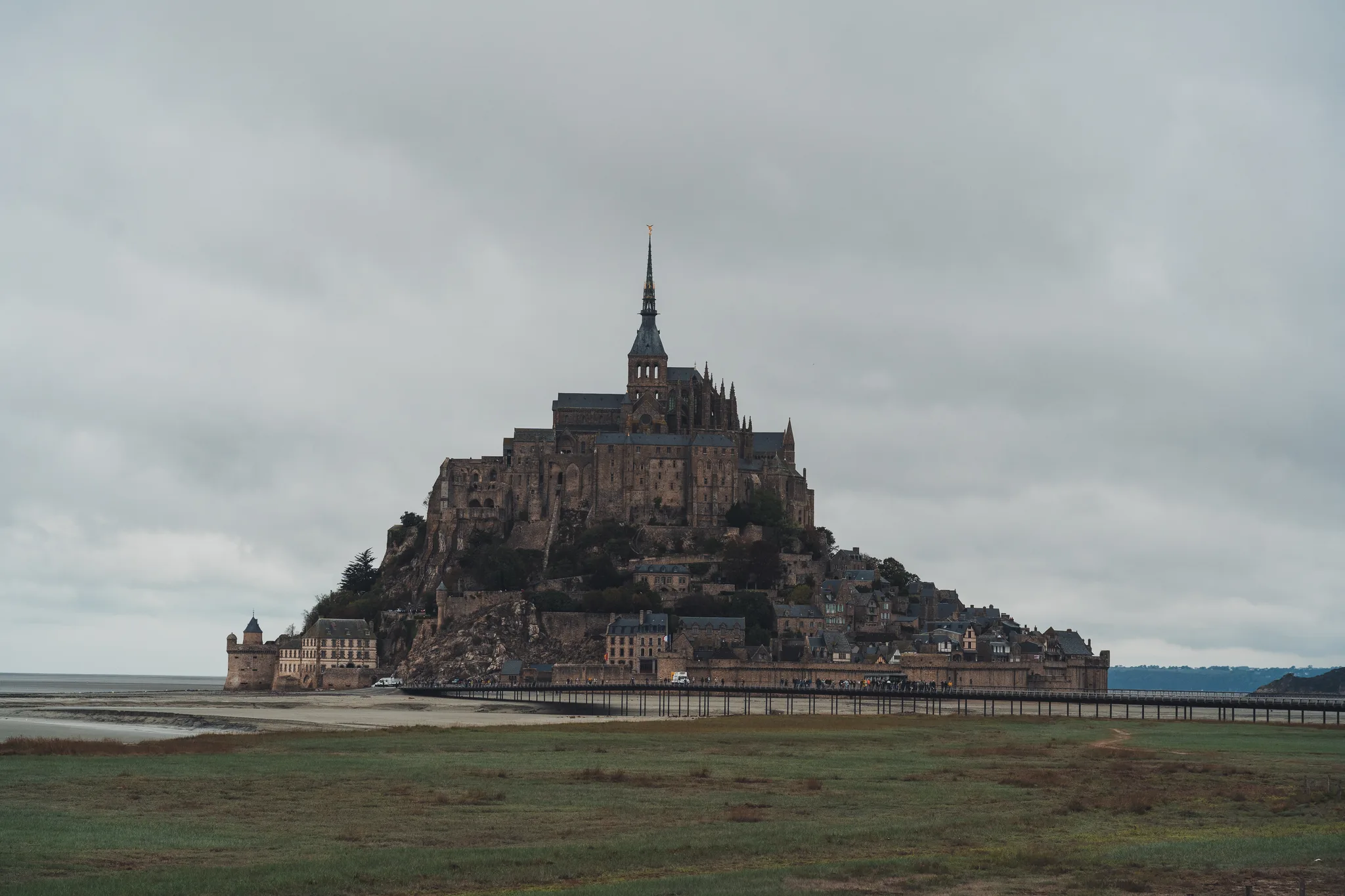
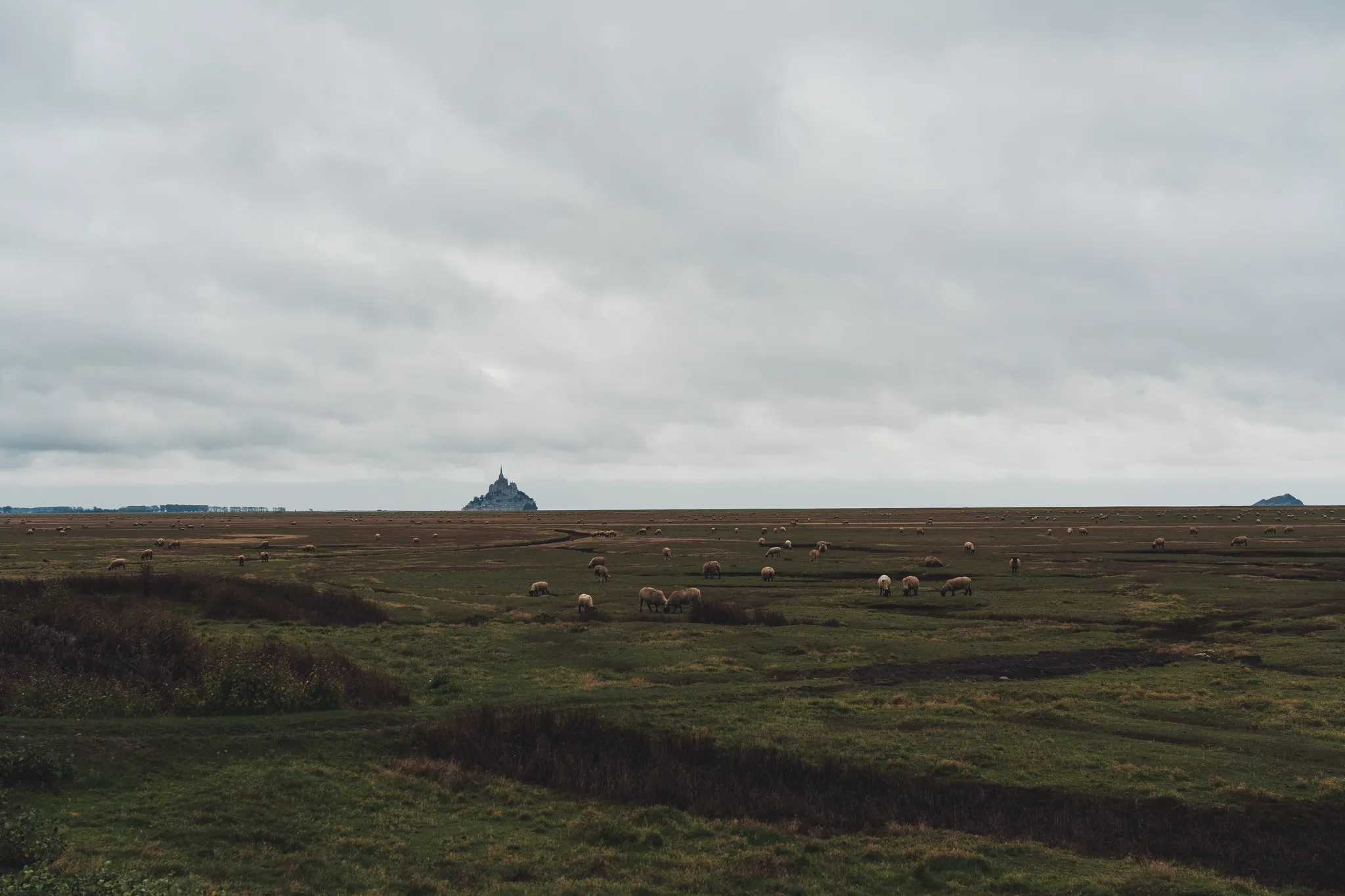
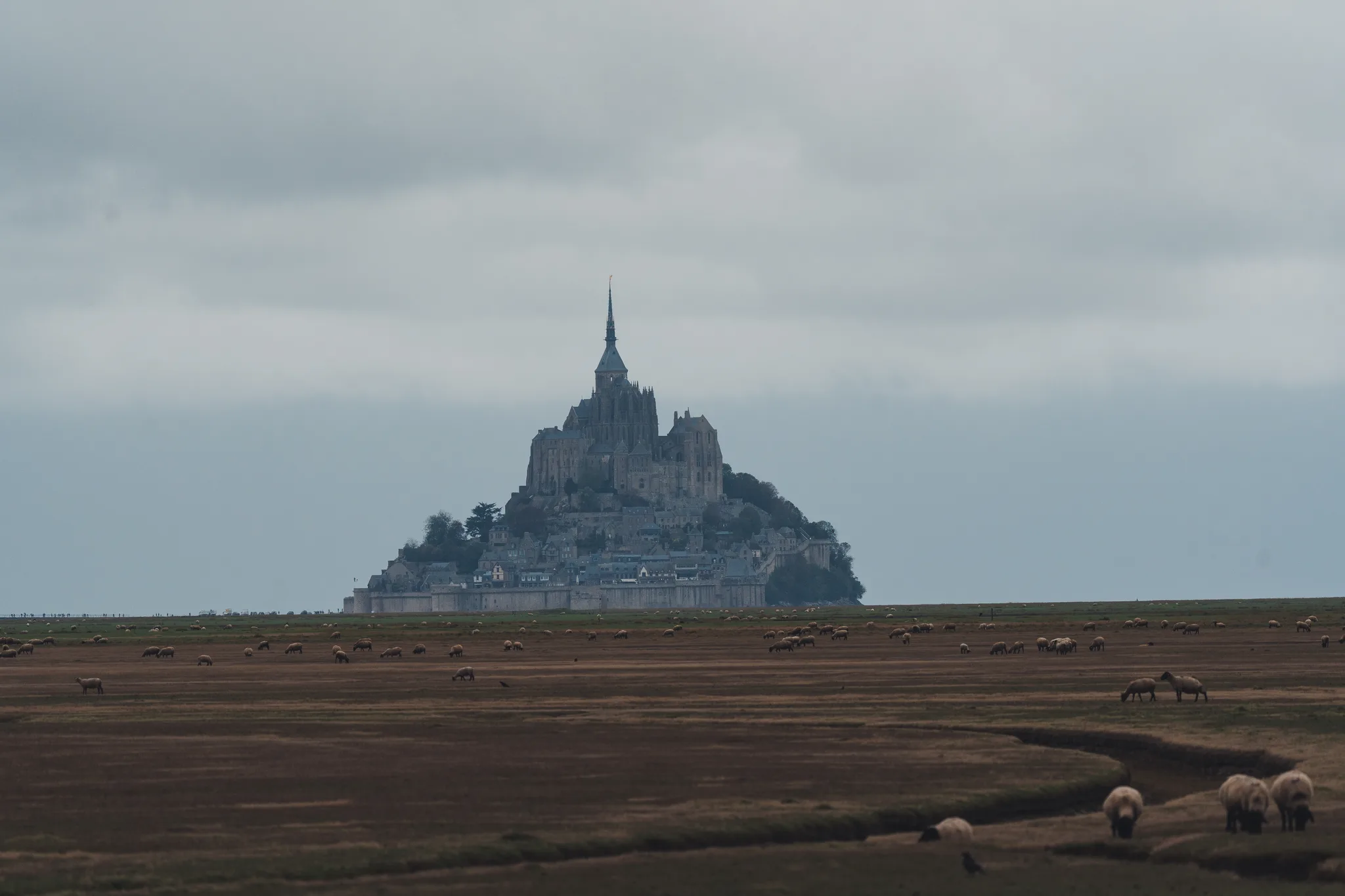
From the salt meadows, the Mont shrinks to a small triangle on the horizon, and the sheep don't care either way.
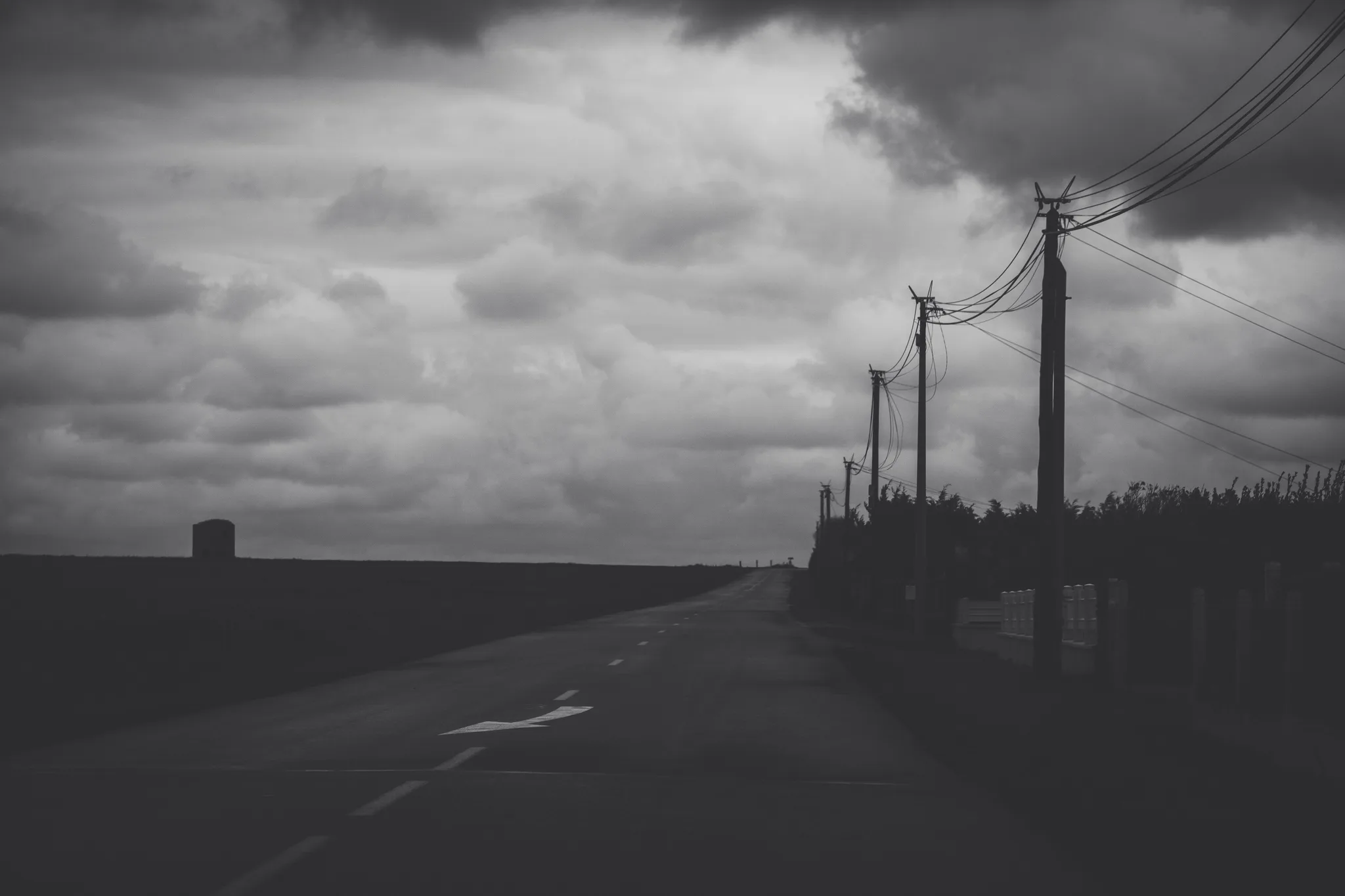
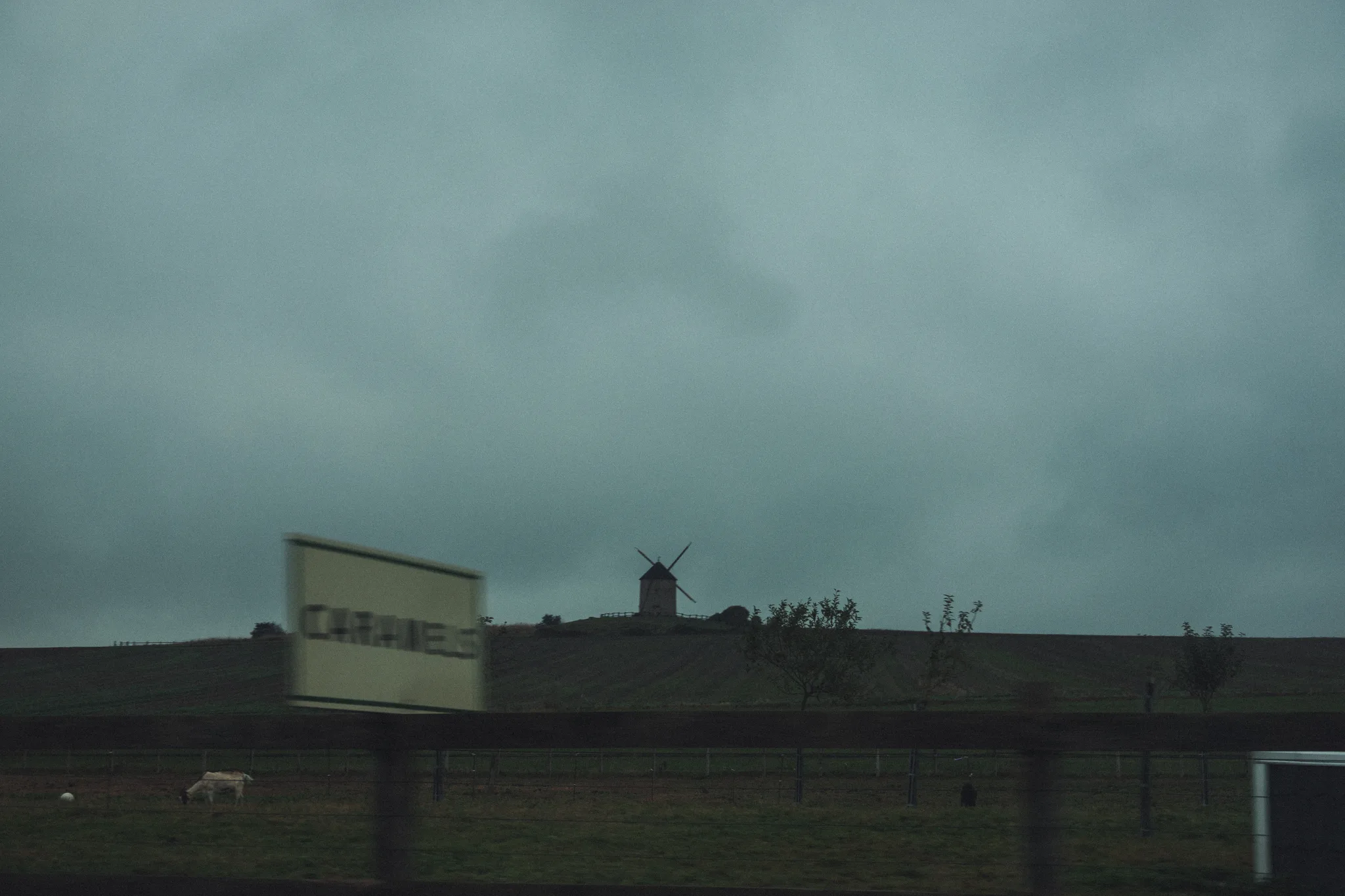
By the evening the weather had turned. Pointe du Hoc, between Omaha and Utah Beach: on 6 June 1944 the 2nd Ranger Battalion climbed these 30-metre cliffs to knock out the German guns above the landing beaches. The ground is still full of bomb craters and broken bunkers, grown over with dry grass.
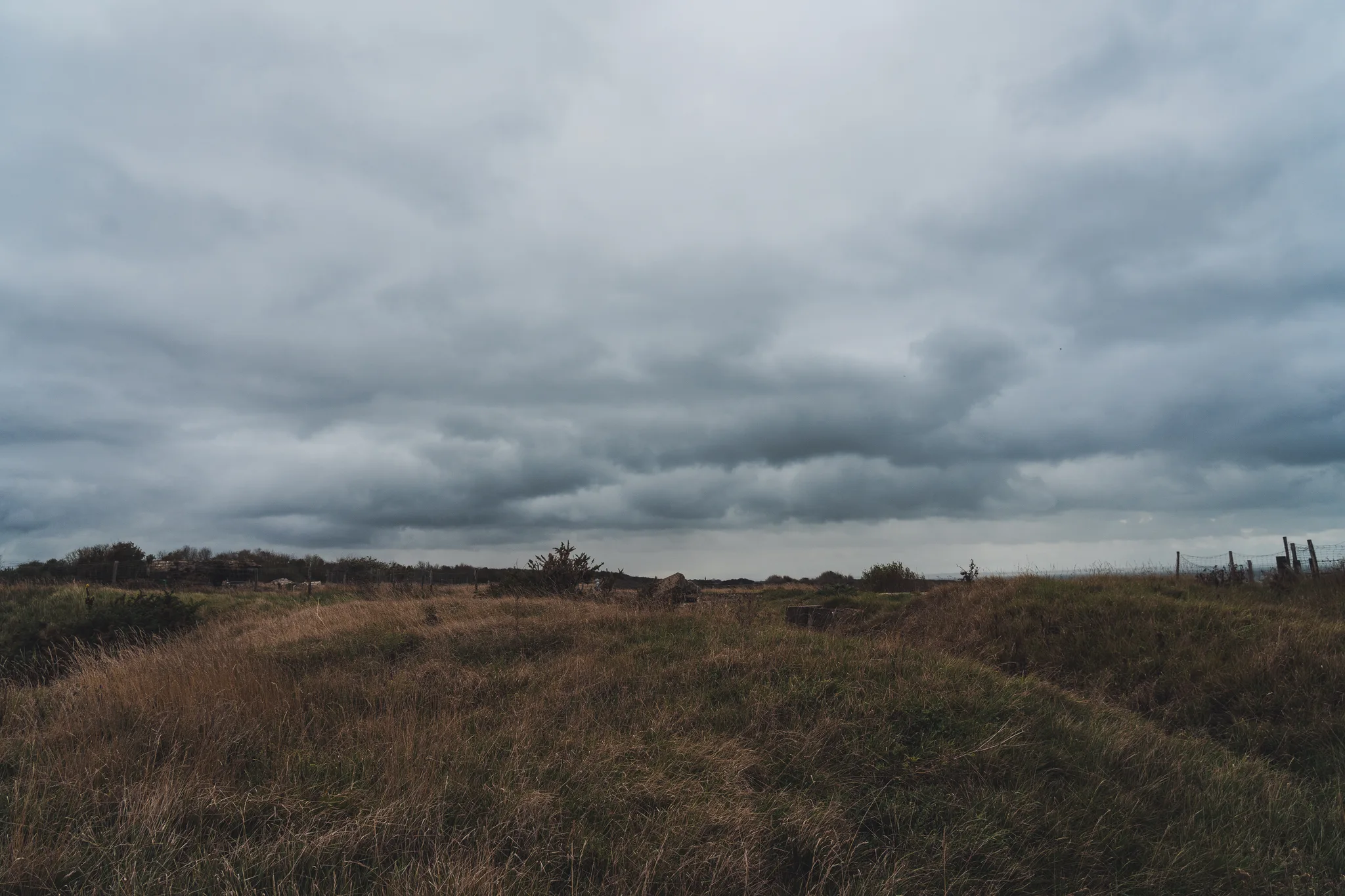
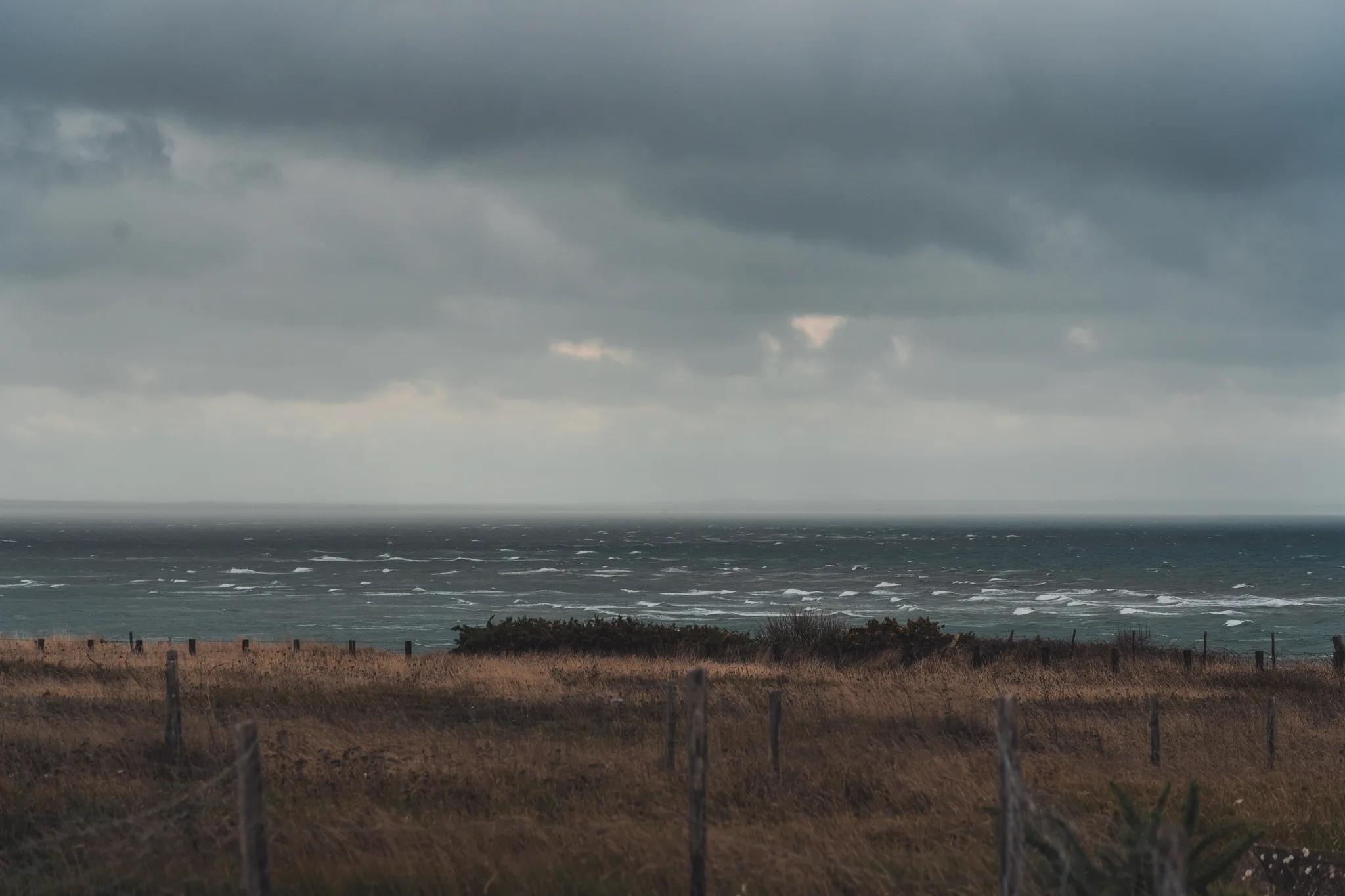
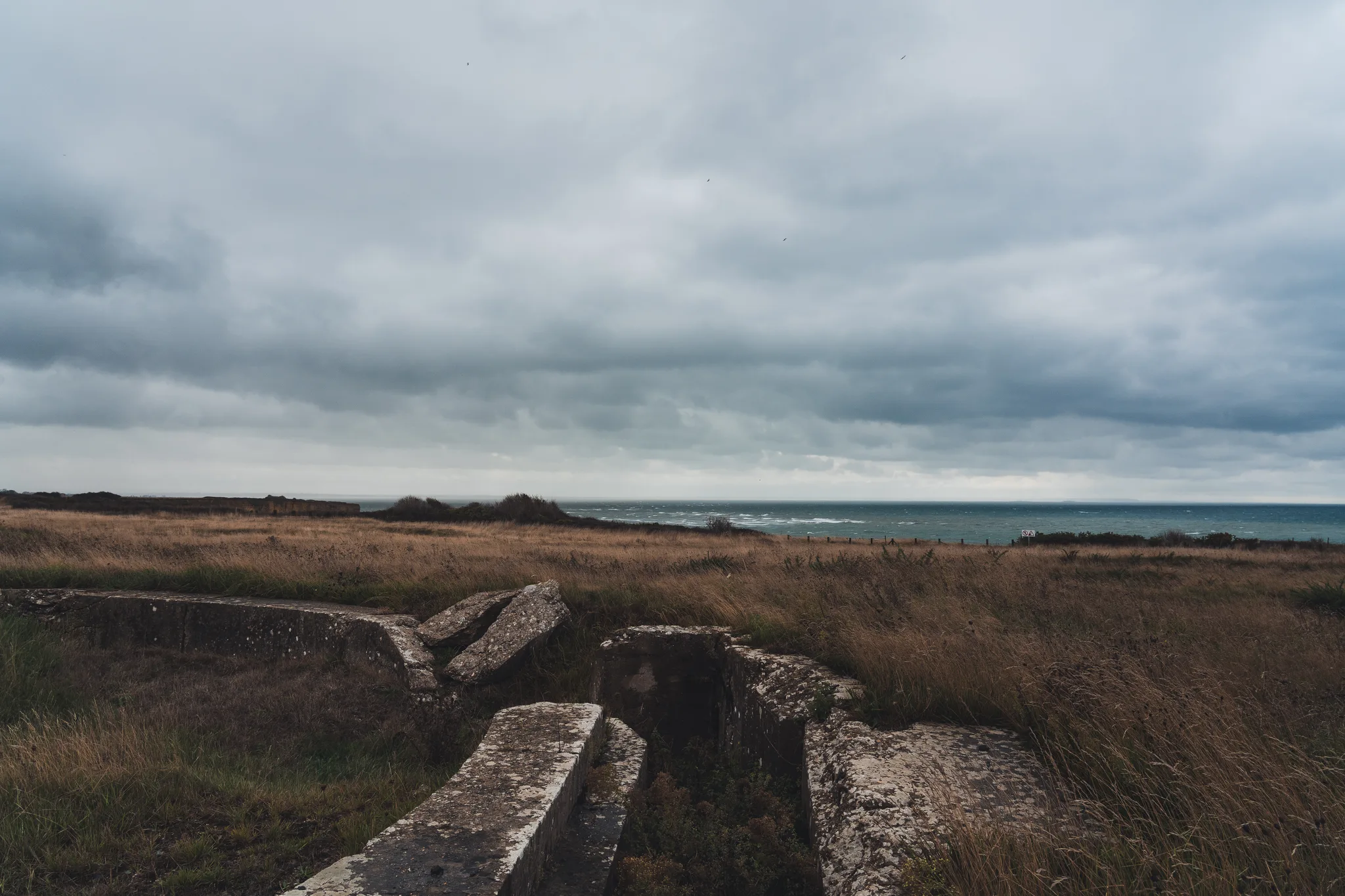
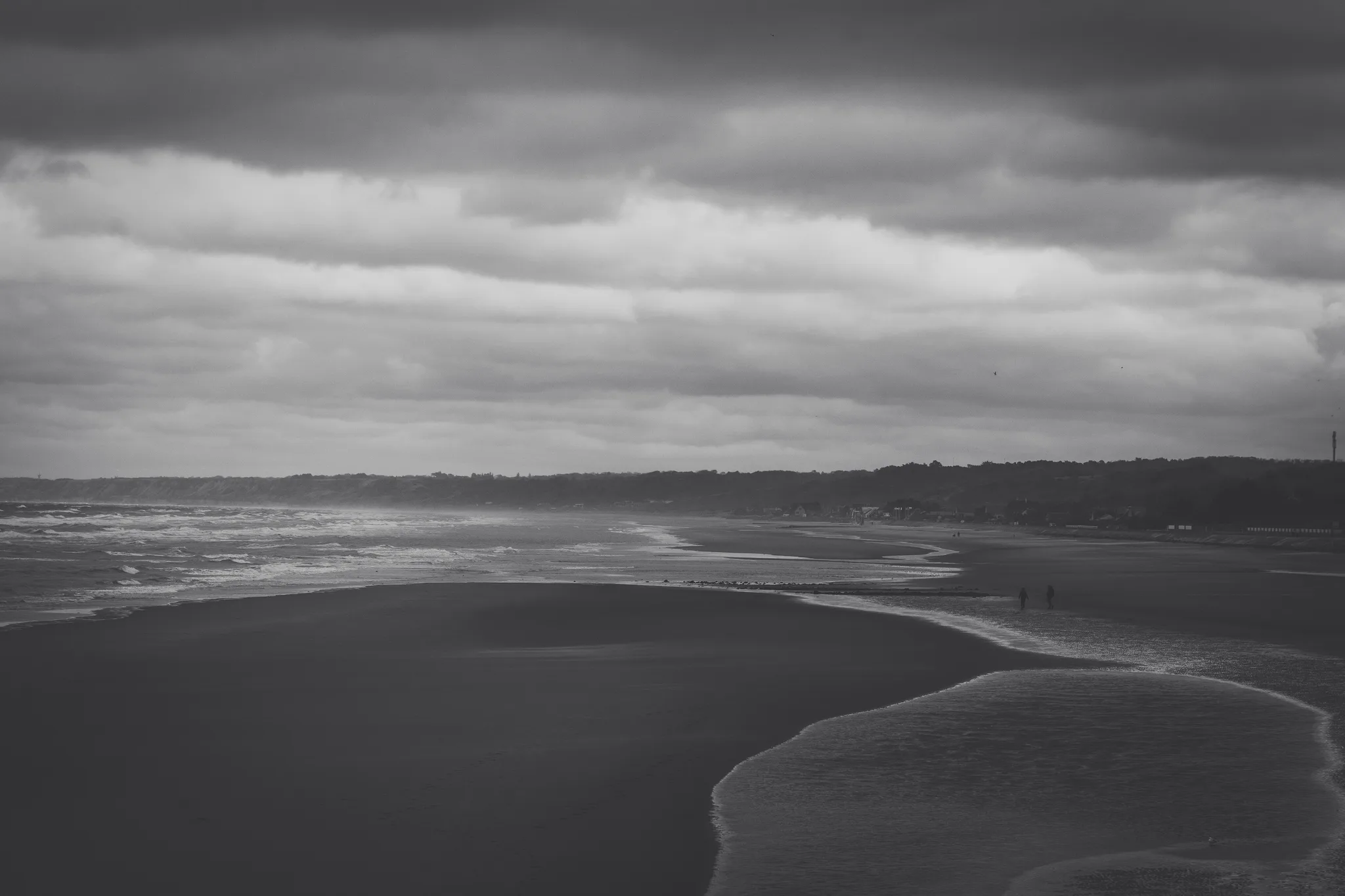
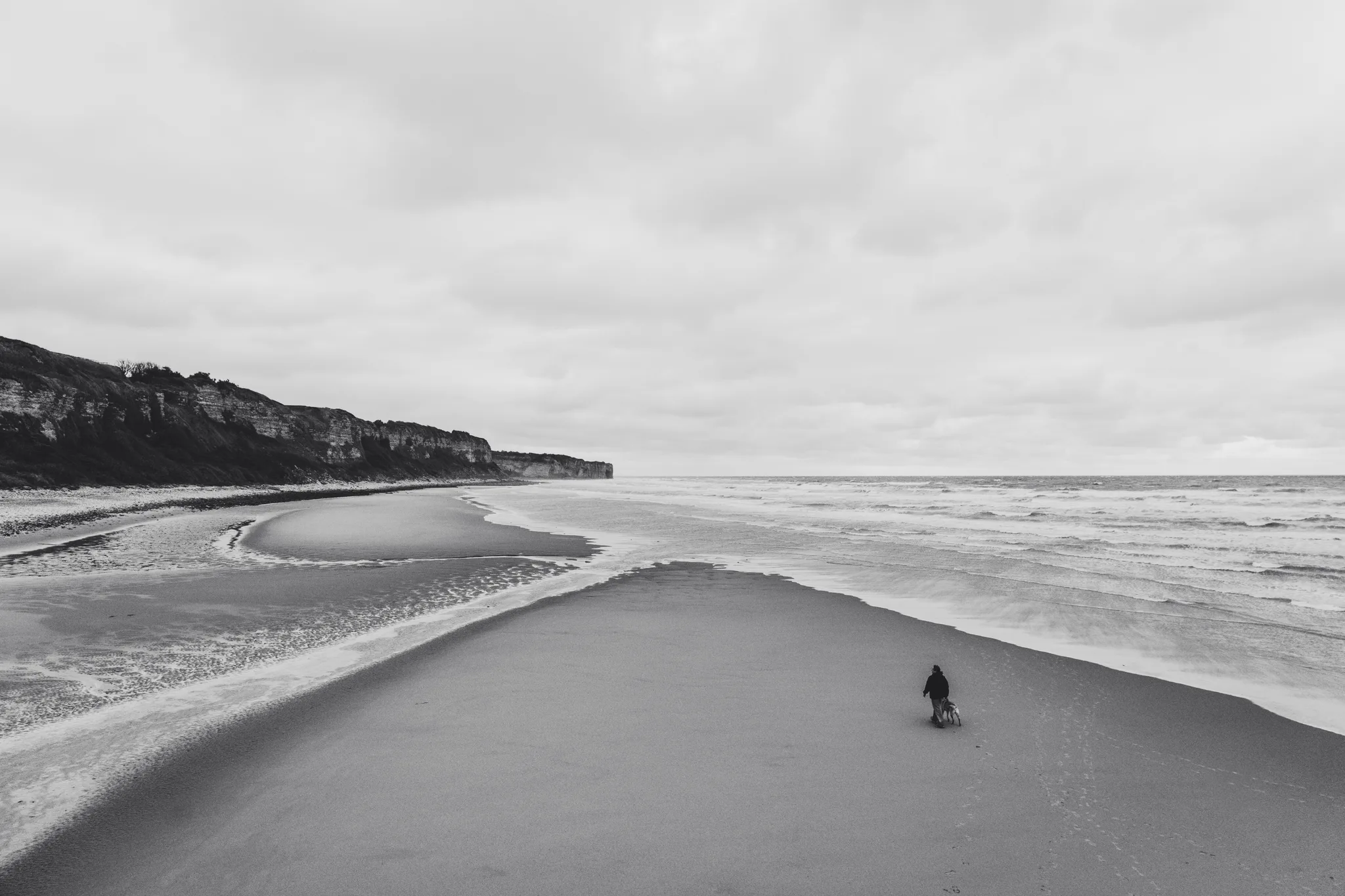
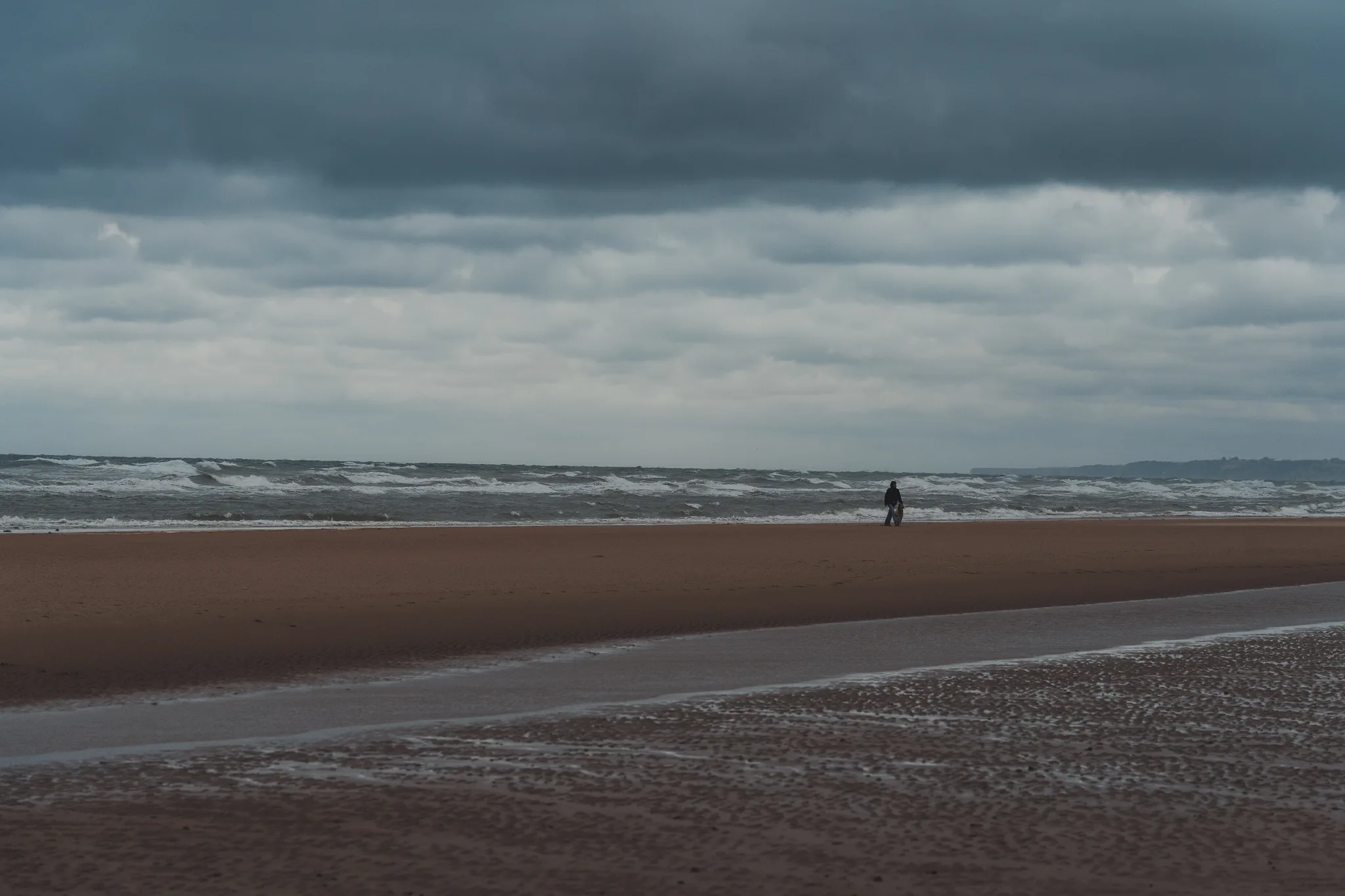
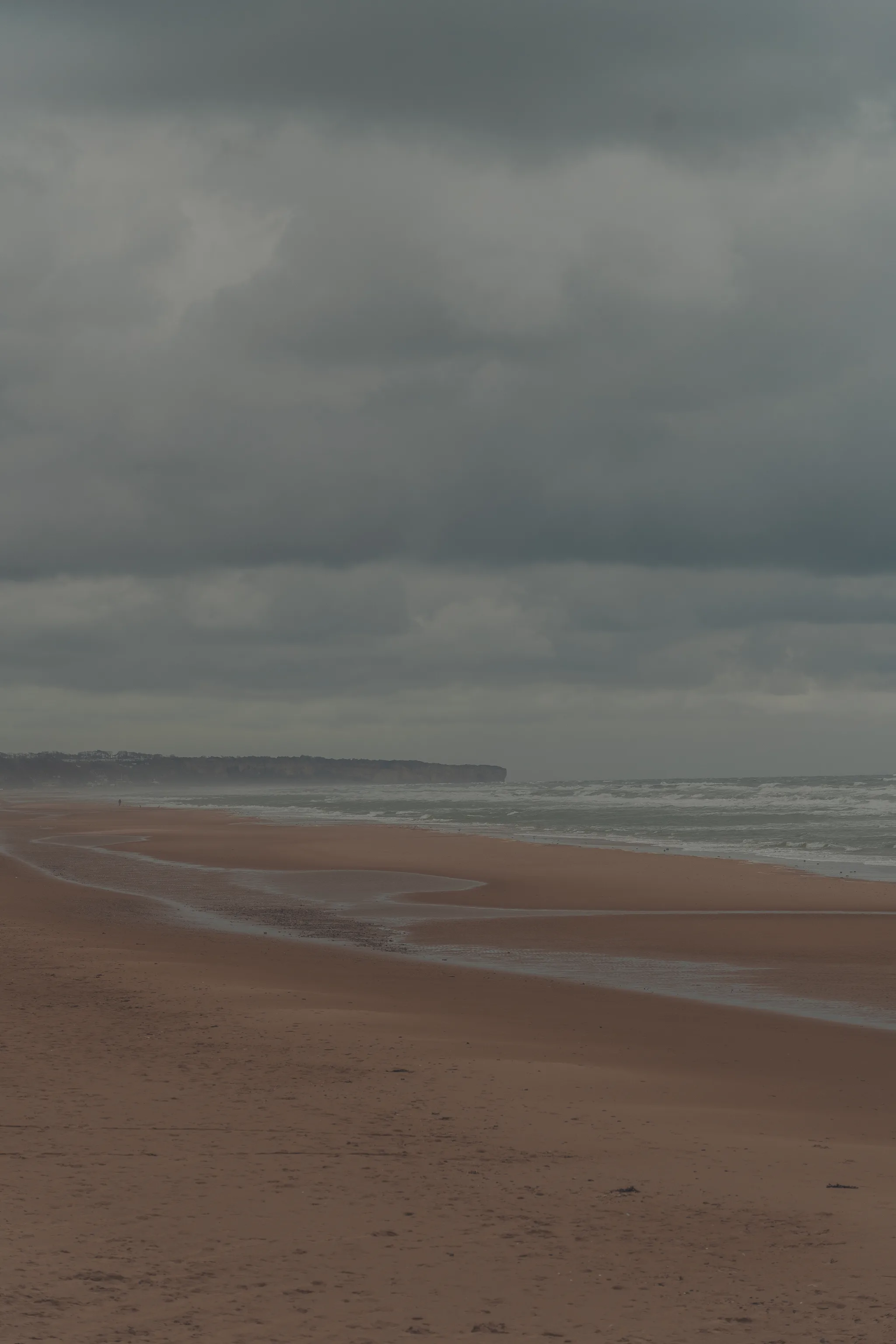
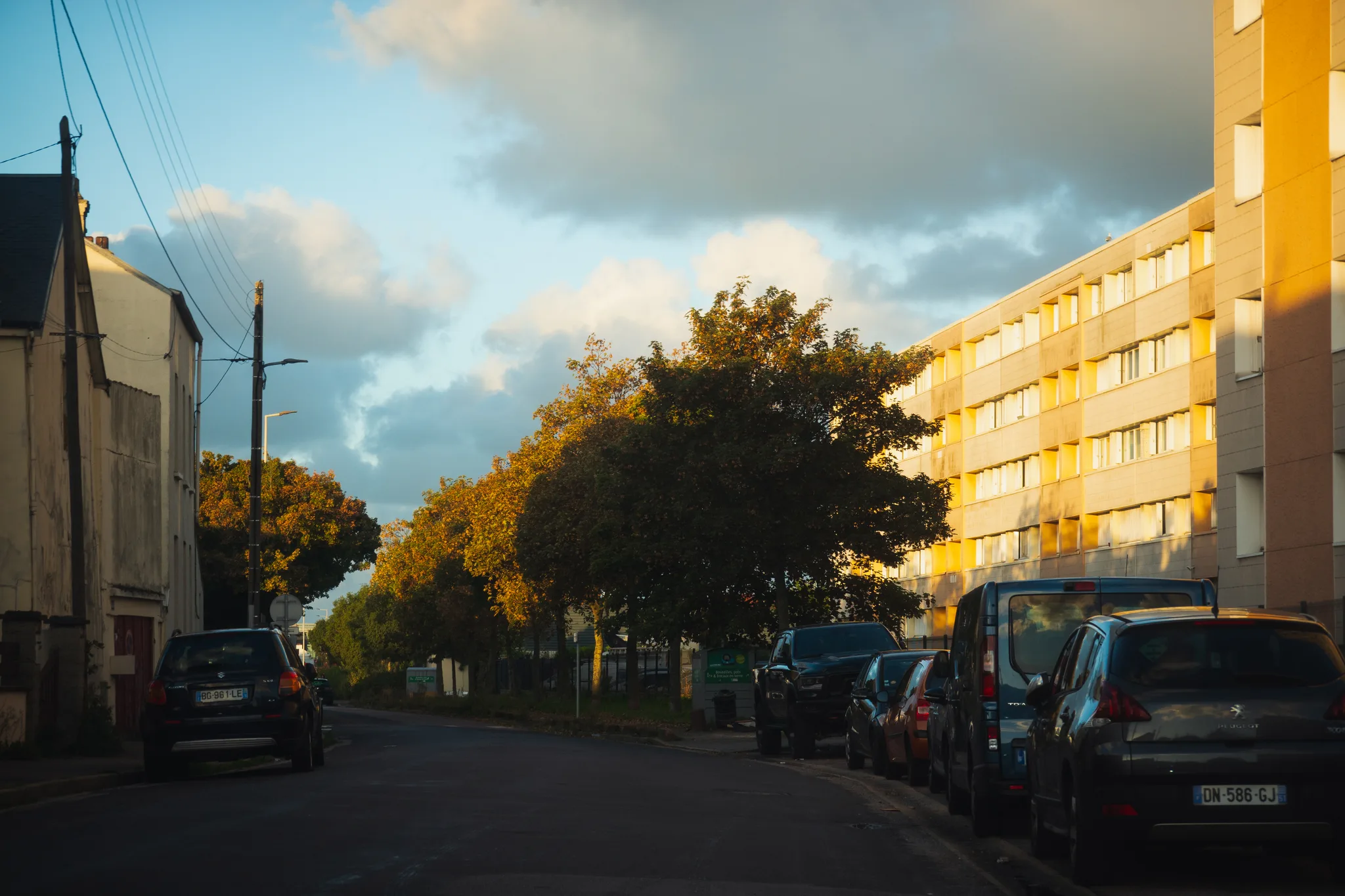
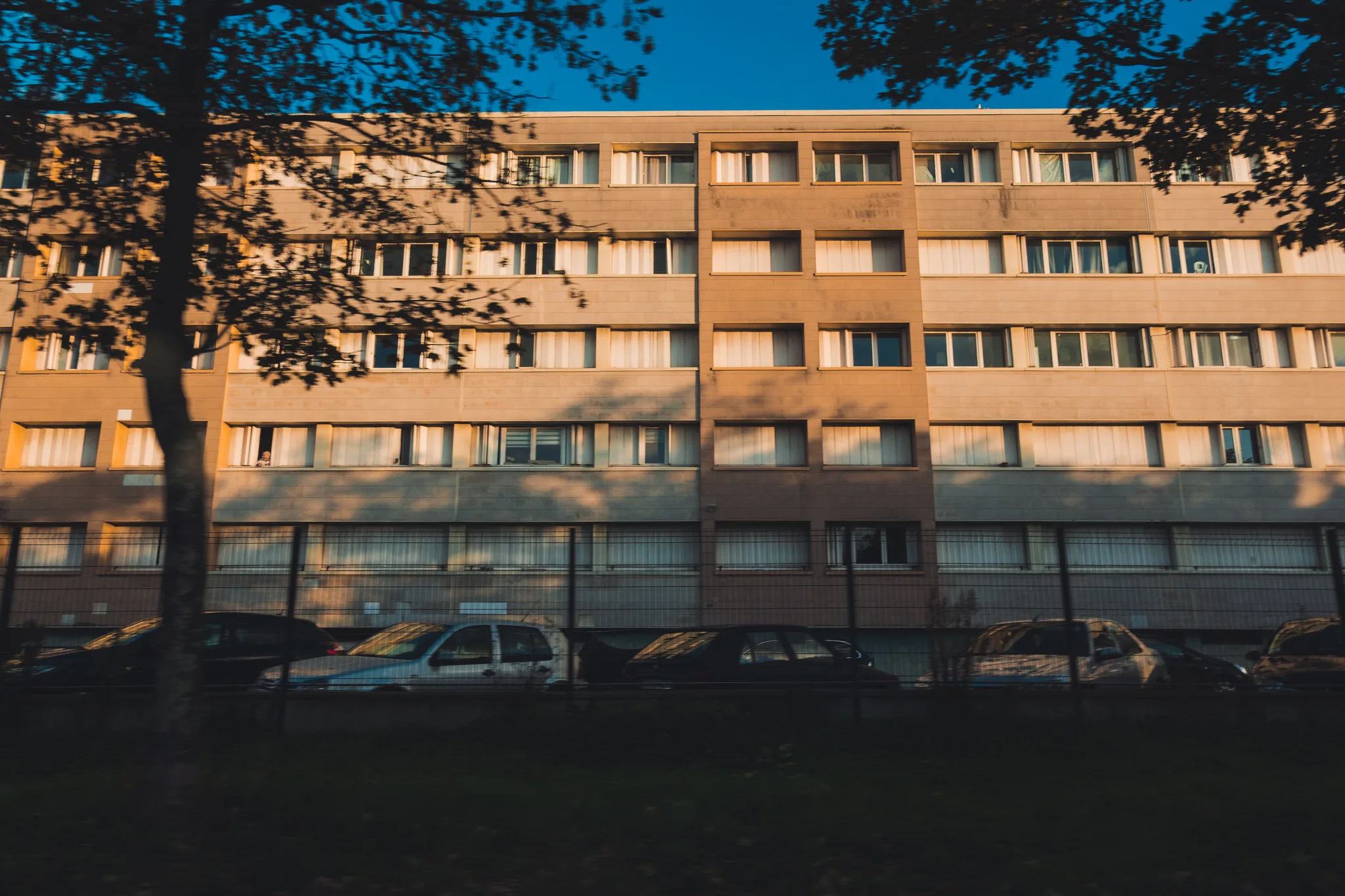
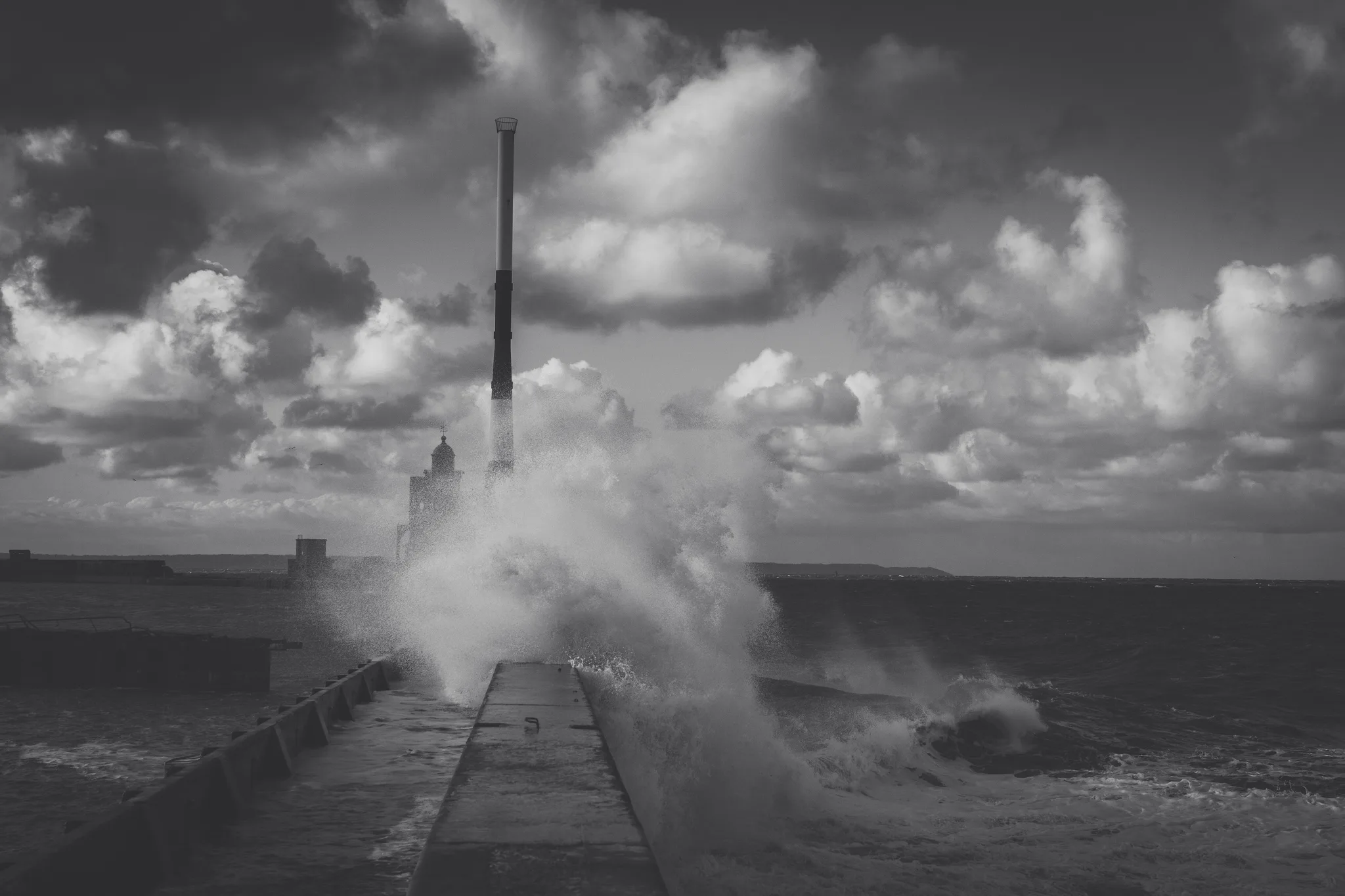
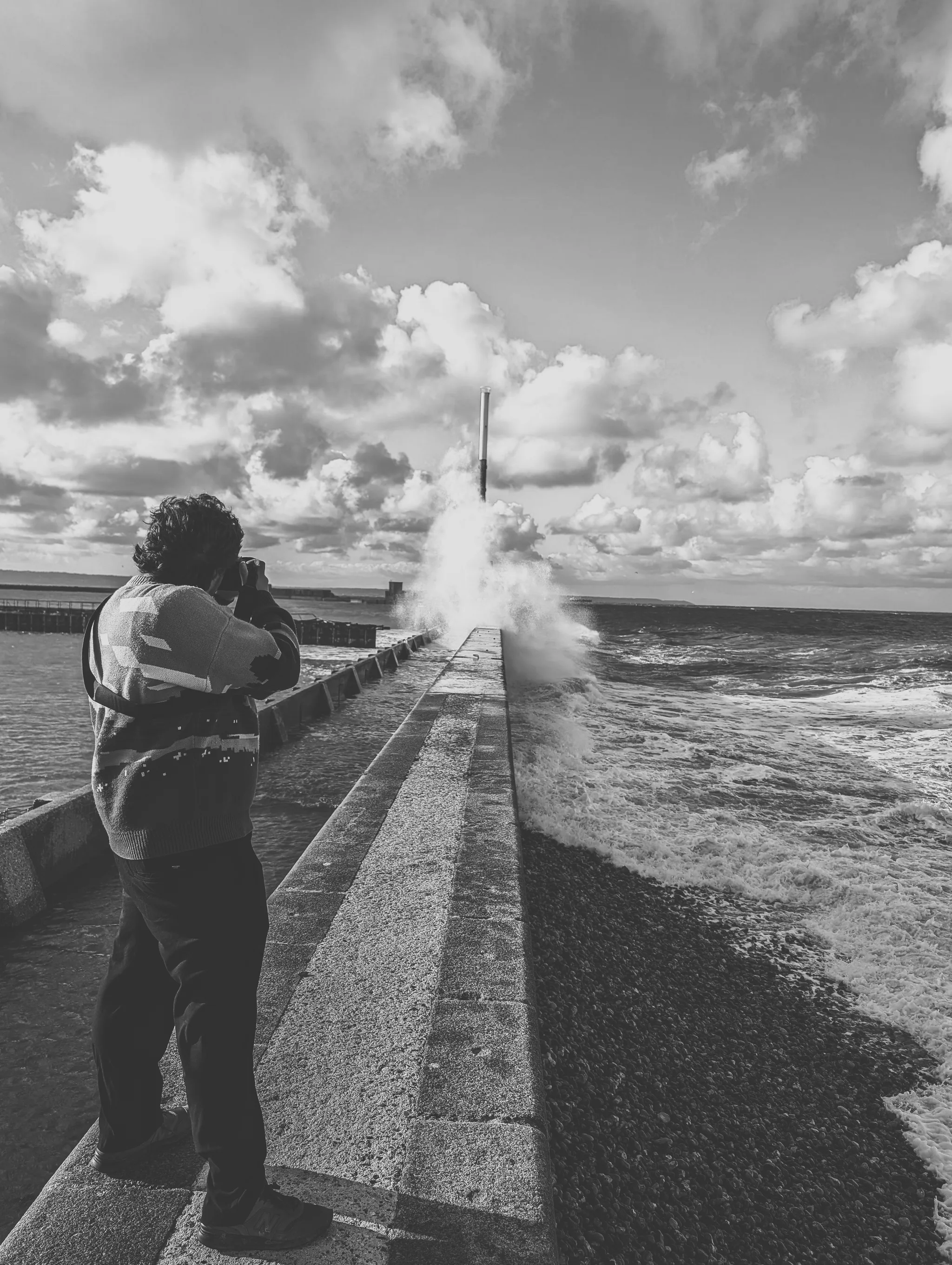
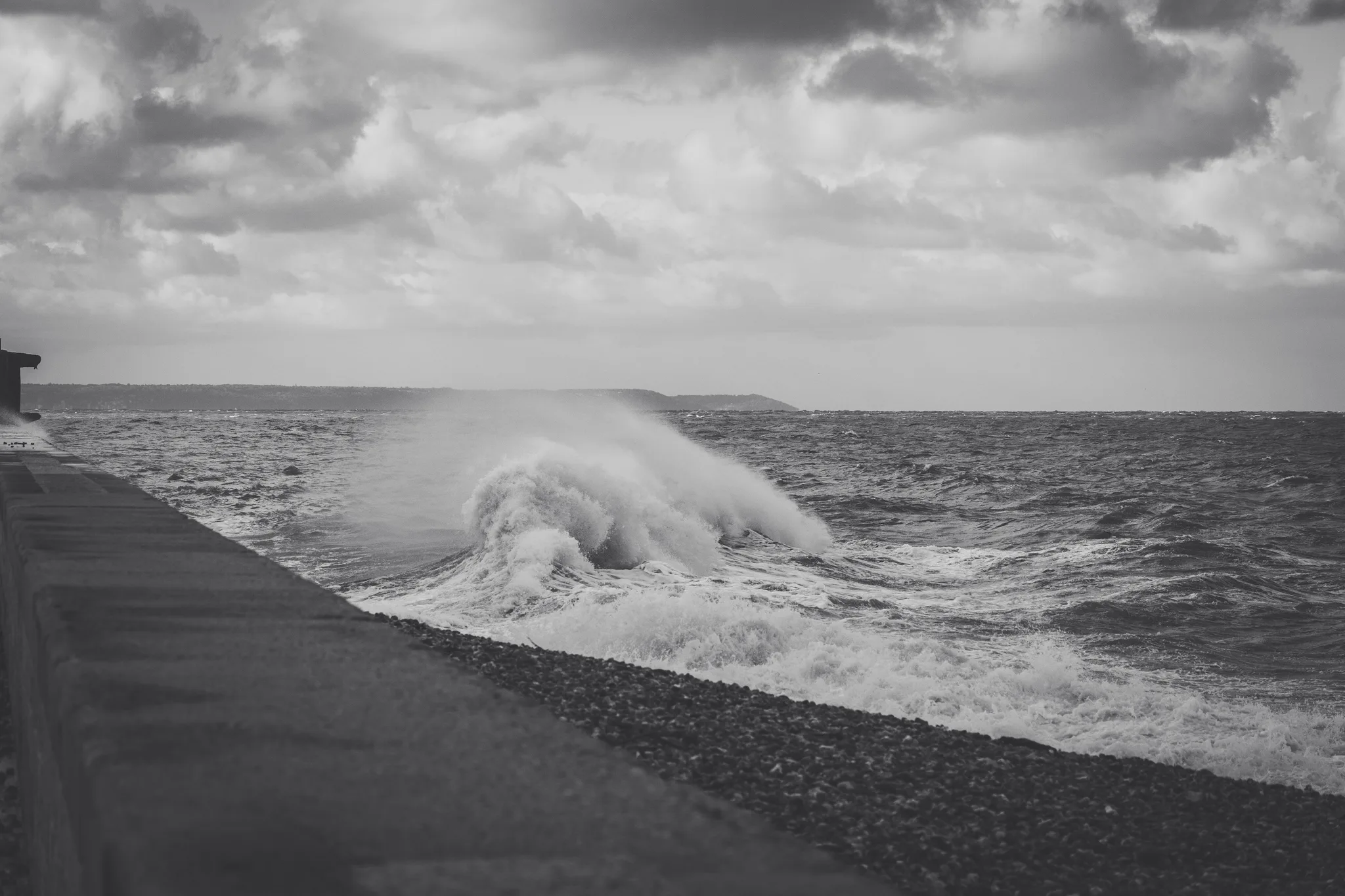
Last day, and the storm was still going strong in Le Havre.
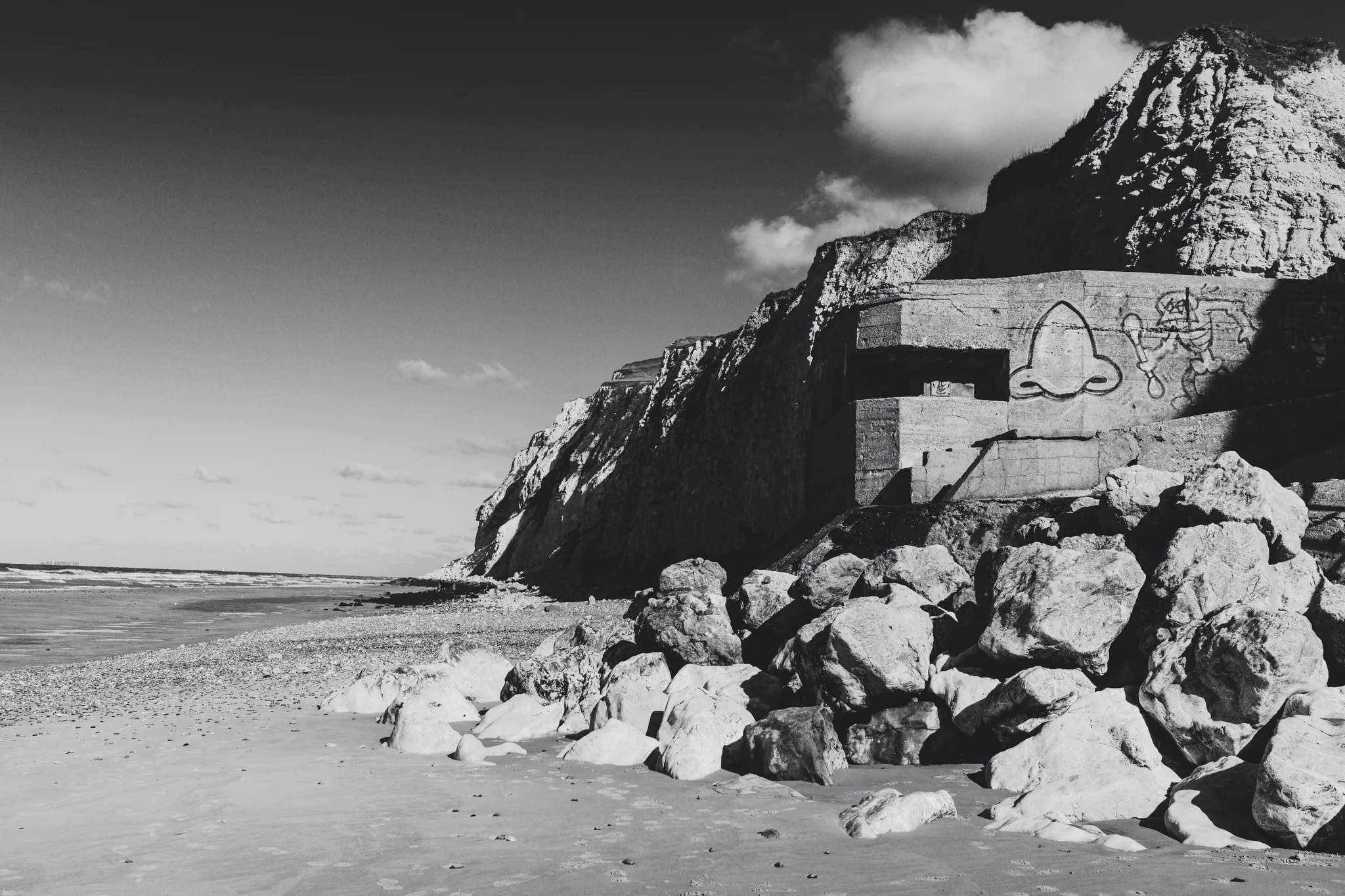
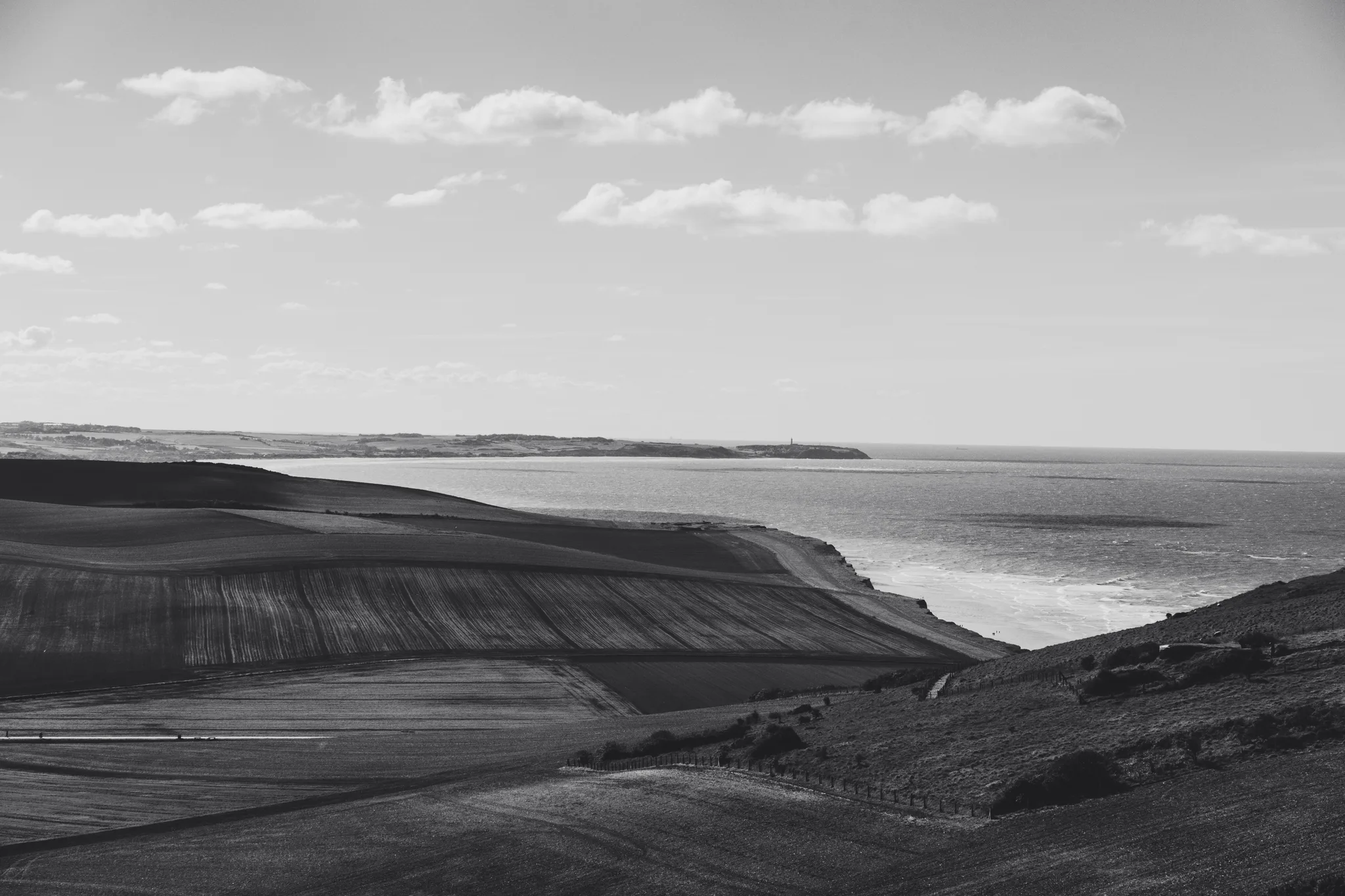
Cap Blanc-Nez: around 130 metres of chalk above the Channel, with Second World War bunkers sitting half buried in the cliff.